

Interior Design Blog
Free tips & advice from award-winning designers
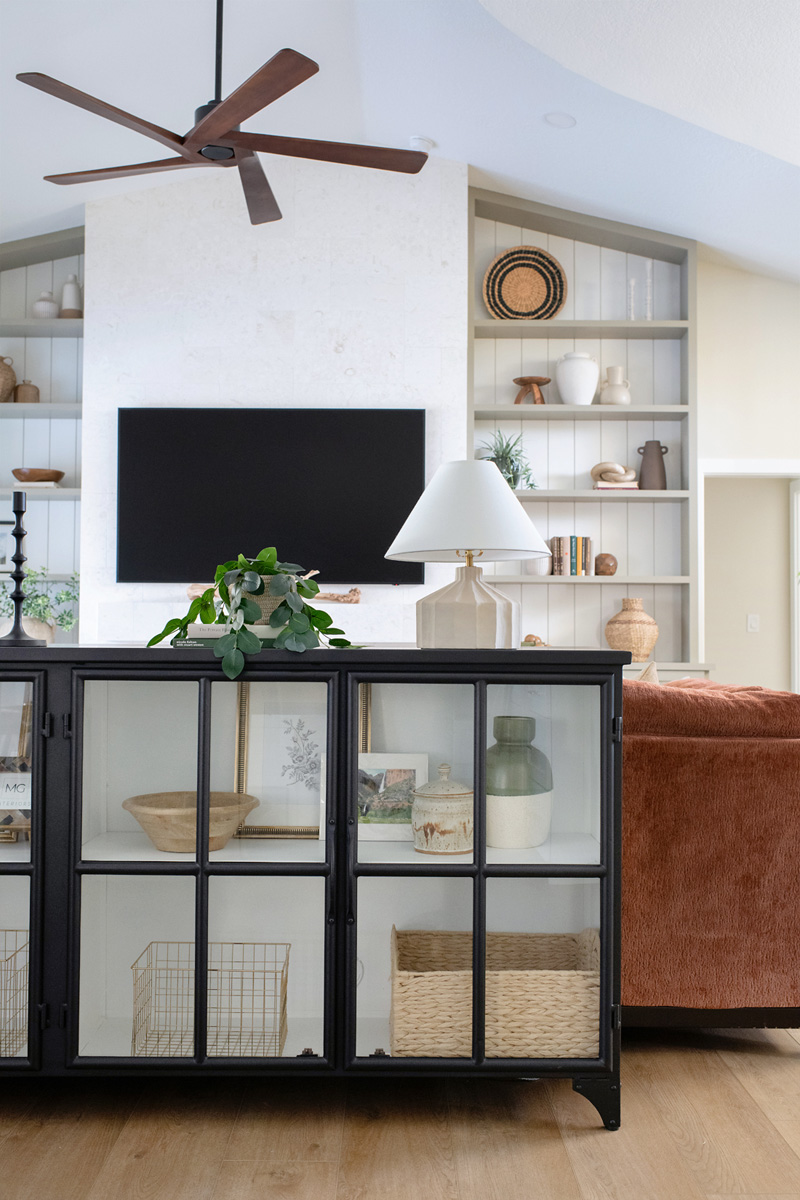
Small Interior Design Details That Make the Biggest Difference
When you walk into a beautifully designed room, it can be hard to pinpoint exactly why everything works. The furniture looks right. The lighting feels right. Nothing seems out of place. But most of the time, that finished feeling is not coming from one dramatic design decision. It is coming from dozens of smaller choices working together.
The right rug size, the height of the curtains, the scale of a light fixture, the placement of artwork, and even the spacing between pieces of furniture can completely change the way a room looks and functions. These interior design details may seem minor on their own, but together they are often what separate a room that looks nice from one that feels truly finished.

Interior Design Details Start With Scale
One of the easiest ways for a room to feel slightly off is for the proportions to be wrong. Everything can be beautiful individually, but if the pieces do not relate properly to the room or to each other, the space can still feel unfinished.
The Right Rug Can Change the Entire Room
A rug does much more than add color or texture. It helps define the furniture layout and visually connects the pieces in the room. A rug that is too small can make furniture look disconnected, while a properly scaled rug makes the entire seating area feel grounded.
In a living room, we generally want the rug to visually support the furniture rather than float in the center of the room. In a dining room, there should be enough space for the chairs to remain comfortably on the rug when they are pulled away from the table. These small sizing decisions have a surprisingly large impact on how polished the room feels.
Furniture Should Fit the Room, Not Just the Wall
Furniture scale is another detail that often gets overlooked. A large room can make smaller furniture feel lost, while oversized pieces can quickly overwhelm a more compact space.
It is also important to think beyond whether a sofa technically fits along a wall. The surrounding furniture, walking space, ceiling height, windows, and architecture all affect what size and shape will look right. Thoughtful furniture planning gives the room balance and makes moving through the space feel natural.
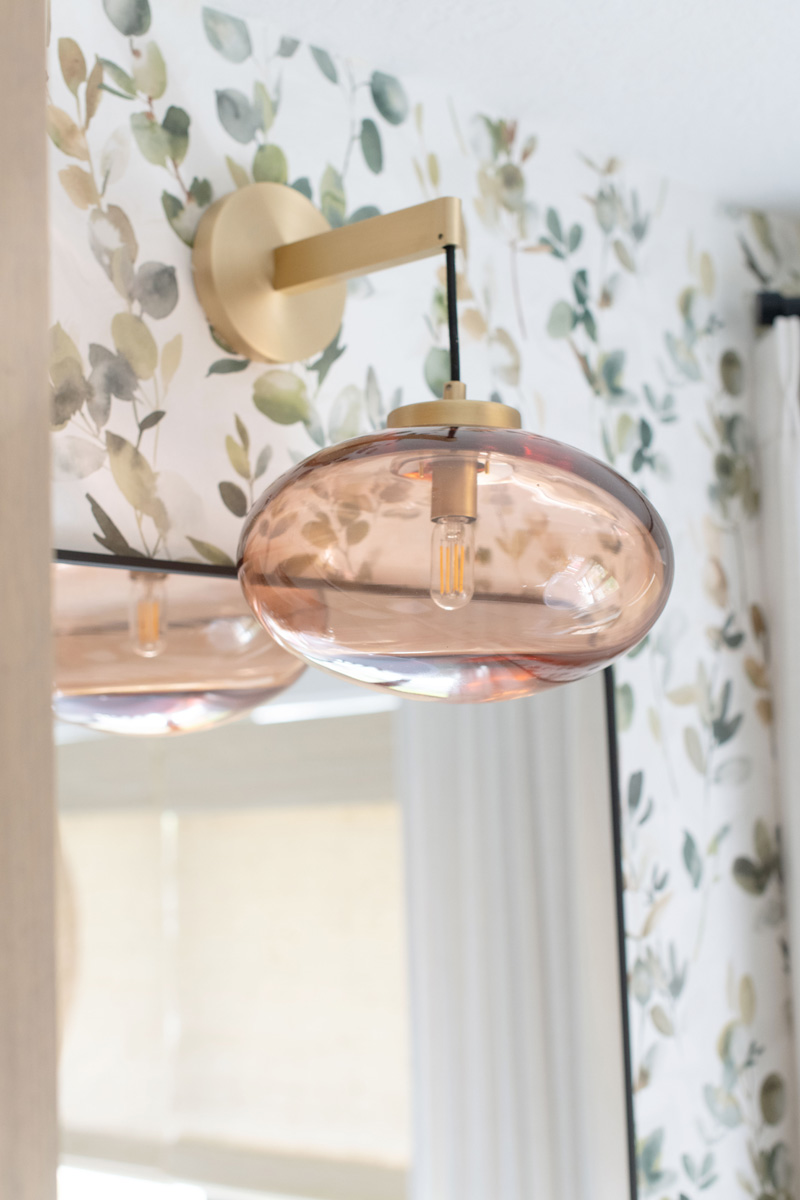
Interior Design Details That Improve Lighting
Lighting has a huge effect on a room, but the fixture itself is only part of the decision. Placement, size, height, and the mix of light sources all matter.
Fixture Size Matters More Than You Think
A beautiful chandelier can still look wrong if it is undersized for the room. The same is true for pendants, sconces, and table lamps. Lighting should feel substantial enough to belong in the space and relate to the furniture around it.
We often see homeowners choose fixtures based on how they look in isolation. Instead, we look at the complete room. A dining fixture needs to relate to the table beneath it. Pendants need to work with the size of the island. Bedside lamps should make sense next to the scale of the bed and nightstands.
A Room Usually Needs More Than One Kind of Light
Ceiling lighting alone rarely creates the warm, layered feeling people want at home. Lamps, sconces, picture lighting, decorative fixtures, and natural light all play different roles.
Layering those sources gives you more control over the mood of the space throughout the day. It also makes the room more interesting visually. Even a simple lamp in the right place can change how a corner feels at night.
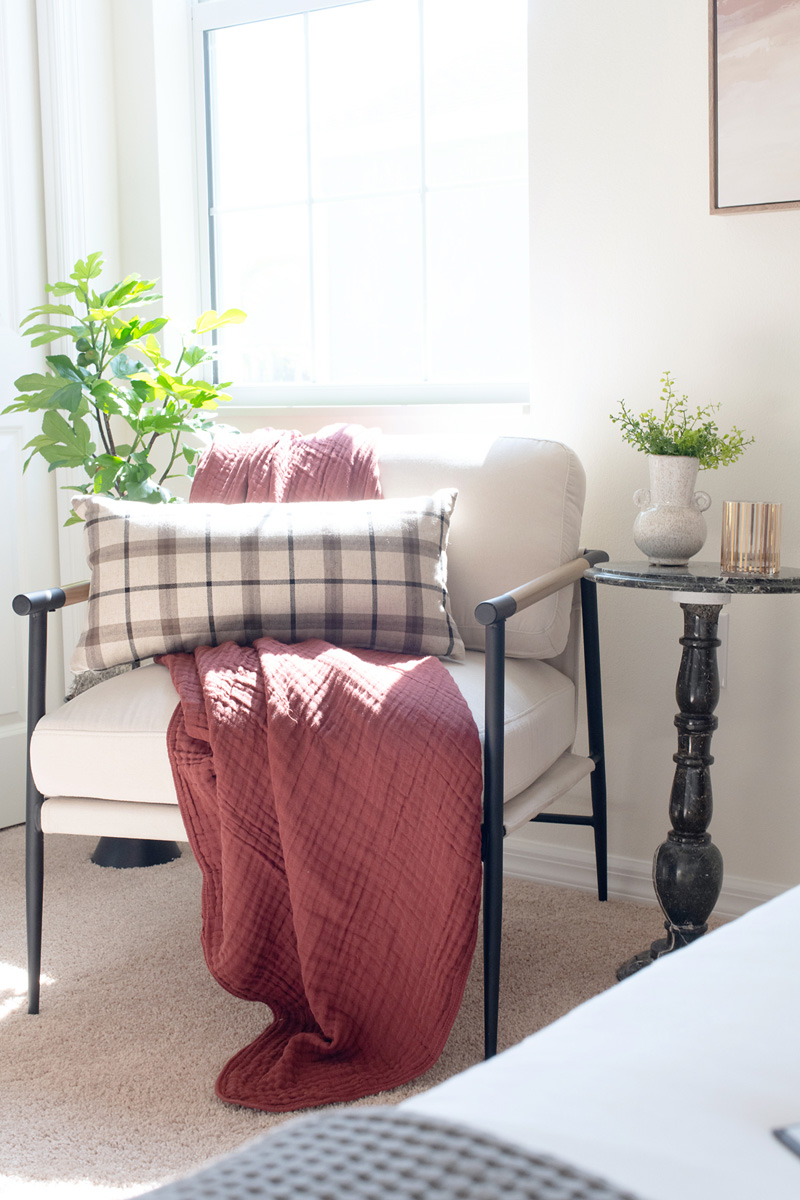
Window Treatments Are More Important Than They Look
Window treatments are one of those features that can seem like a finishing touch until you see the difference they make. They soften architecture, control light, add texture, and make a room feel much more complete.
Curtain Height Changes the Proportions of a Room
Where the curtain rod sits can affect how tall and spacious the room appears. Hanging panels higher can draw the eye upward and give the room a more intentional look.
The length matters too. Curtains that stop awkwardly above the floor can make an otherwise beautiful room feel unfinished. Getting the proportions right creates a cleaner and more tailored result.
Fabric Adds Another Layer to the Design
Drapery is also an opportunity to introduce softness, color, pattern, or texture. In rooms with a lot of hard surfaces, that extra layer can make a major difference.
This is one of the reasons the details that make a room feel custom matter so much. They may not be the first features you notice, but they affect the entire impression of the room.

Hardware and Finishes Are Small but Powerful
Cabinet hardware, plumbing fixtures, door handles, and other finishes occupy very little visual space individually. Collectively, however, they help establish the character of a room.
Hardware Should Feel Proportional
Hardware that is too small can disappear on larger cabinetry, while oversized pulls can dominate smaller doors and drawers. The size, shape, and placement all need to feel appropriate for the cabinetry itself.
These choices become especially noticeable in kitchens and bathrooms where the same hardware may repeat throughout the room.
Finishes Do Not Have to Match Perfectly
A room does not need every metal finish to be identical. In fact, thoughtful variation can make the design feel more layered.
The goal is to make the combination look intentional. Repeating finishes in a few places can create enough connection without making the room feel overly coordinated. The same principle applies to wood tones, stone, paint colors, and other materials throughout the home.

Interior Design Details Around Art and Accessories
Artwork and accessories usually arrive toward the end of a project, but their placement can have a major impact on the finished room.
Artwork Needs to Relate to What Is Around It
One of the most common mistakes with artwork is choosing the right piece but hanging it at the wrong height or using something that is too small for the wall.
Art should connect visually to the furniture or architectural feature beneath it. A piece above a console, sofa, fireplace, or bed needs to feel like part of that composition rather than something floating independently on the wall.
Accessories Need Breathing Room
Styling does not mean filling every open surface. Sometimes the most effective decision is knowing where to stop.
A few pieces with interesting shapes, textures, or personal meaning often have more impact than a large collection of smaller objects. Leaving some open space allows the details you do include to stand out.
If your home feels almost complete but something is still missing, our guide to turning an almost finished home into a complete one explores many of the final layers that can bring everything together.
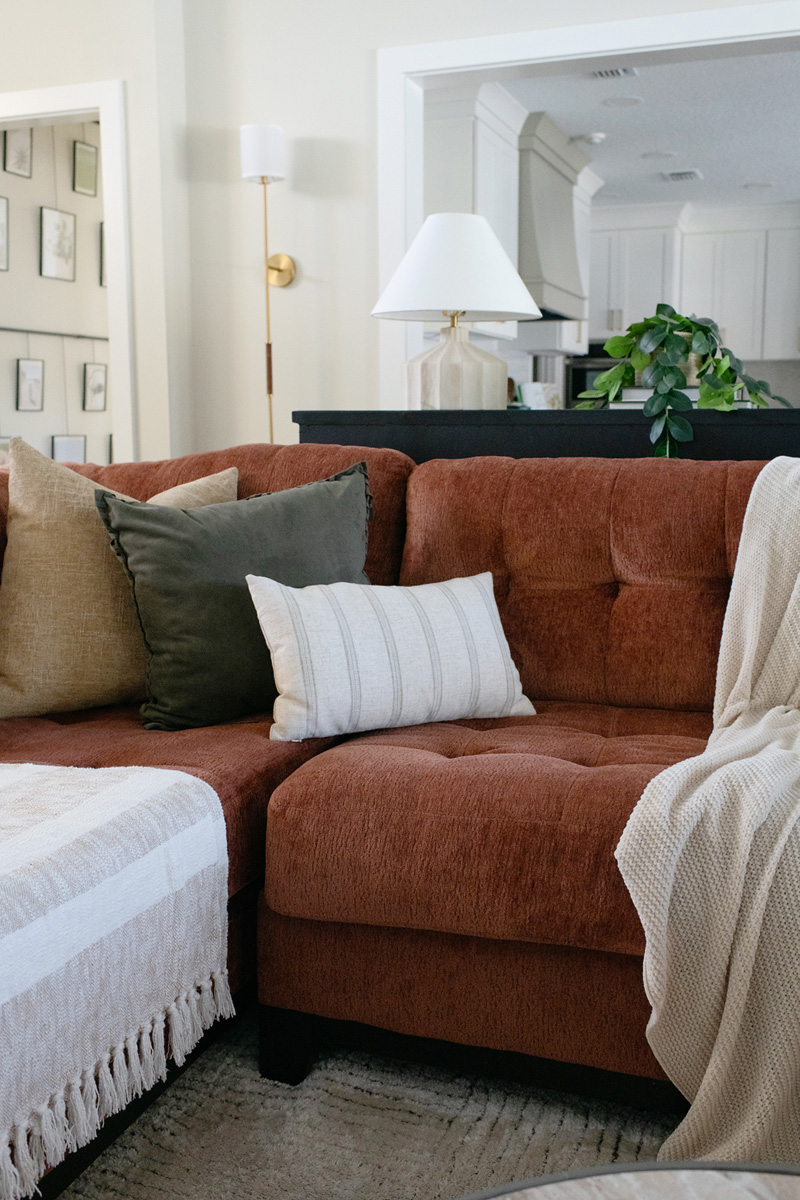
Color Works Best in the Details Too
Color does not always need to cover an entire wall to have an impact. Sometimes smaller applications are exactly what a room needs.
A Little Contrast Can Go a Long Way
A colored cabinet, patterned pillow, painted ceiling, piece of artwork, or unexpected upholstery choice can create a focal point without overwhelming the rest of the room.
The key is making sure the color has some relationship to the overall palette. It can contrast with the room, but it should still feel intentional rather than disconnected.
Repeat Color Just Enough
One of our favorite ways to make color feel intentional is to repeat it in subtle ways. A color used in artwork might appear again in a textile or accessory somewhere else in the room.
You do not need to repeat the exact same shade everywhere. The connection can be subtle. If you are trying to introduce more personality into your home, our guide on how to use color without overwhelming your home is a great place to start.
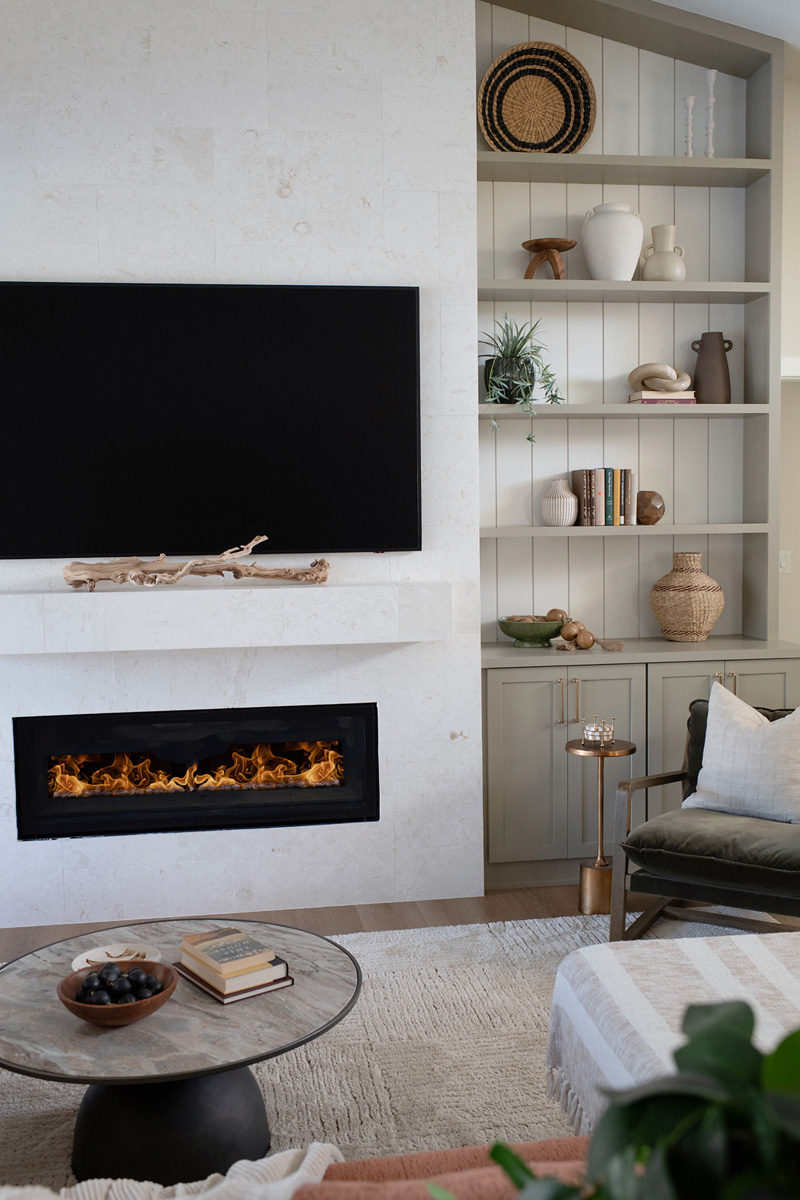
Furniture Placement Can Make or Break the Room
Sometimes a room does not need new furniture at all. It simply needs a better layout.
Give Furniture Room to Breathe
Pushing every piece against a wall is not always the best way to create more space. Pulling furniture inward can create a stronger conversation area and make a large room feel more inviting.
Spacing also matters between individual pieces. Coffee tables, side tables, chairs, and sofas should be close enough to function together while still leaving comfortable paths through the room.
Think About the View From Every Direction
A room is rarely experienced from one angle. You may see it from the hallway, kitchen, entry, or another seating area.
We consider those sightlines when arranging furniture and selecting focal points. What you see when entering the room can be just as important as what you see while sitting in it.
The Best Rooms Are a Collection of Thoughtful Choices
Beautiful interiors are rarely about finding one perfect sofa, paint color, or light fixture. They are about making hundreds of decisions that support one another.
That is why small interior design details matter so much. A few inches of difference in placement, a slightly larger rug, better lighting, properly scaled artwork, or the right window treatment can completely change the way a space looks and feels.
When those choices are considered together, the room starts to feel effortless. And while the finished result may look simple, there is usually a lot of thought behind every detail.
Ready to Finish Your Space?
Reach out to MG Interiors and let us bring all of the details together.