

Interior Design Blog
Free tips & advice from award-winning designers
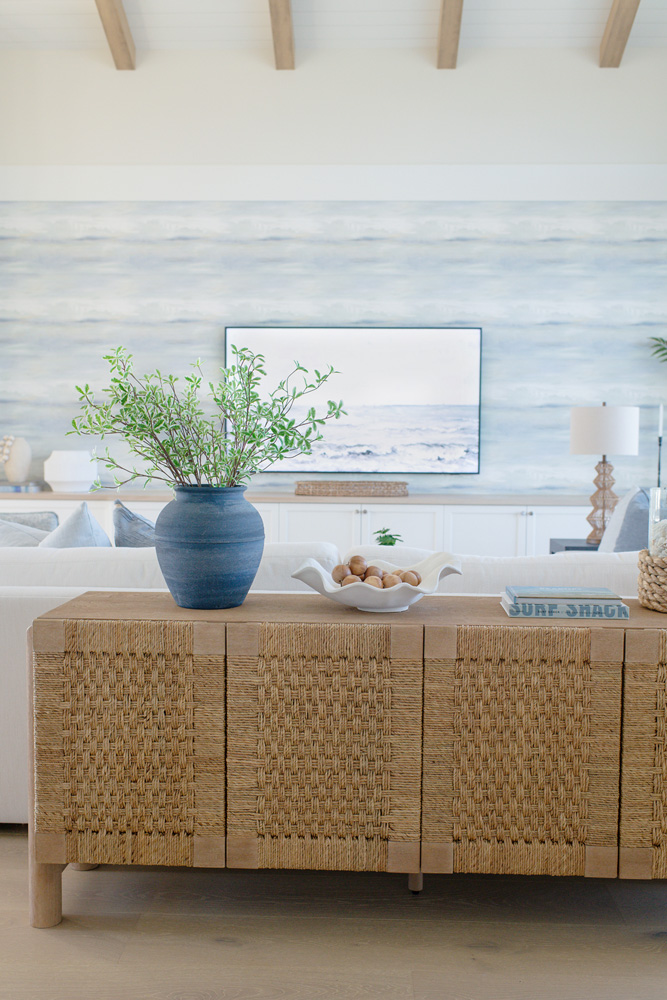
The Best Time to Hire an Interior Designer for a Remodel
If you are planning a remodel, you may assume the first step is hiring a contractor. In reality, one of the smartest things you can do is bring in an interior designer before construction plans are finalized, materials are ordered, or demolition begins.
The best time to hire an interior designer for a remodel is during the early planning stage. A designer can help improve the layout, guide material selections, plan for furniture and lighting, and make sure every decision supports the way your household actually lives.
Waiting until construction is already underway does not make design help impossible, but it does reduce your options. Early planning gives your designer, contractor, and other professionals a clearer direction from the beginning.
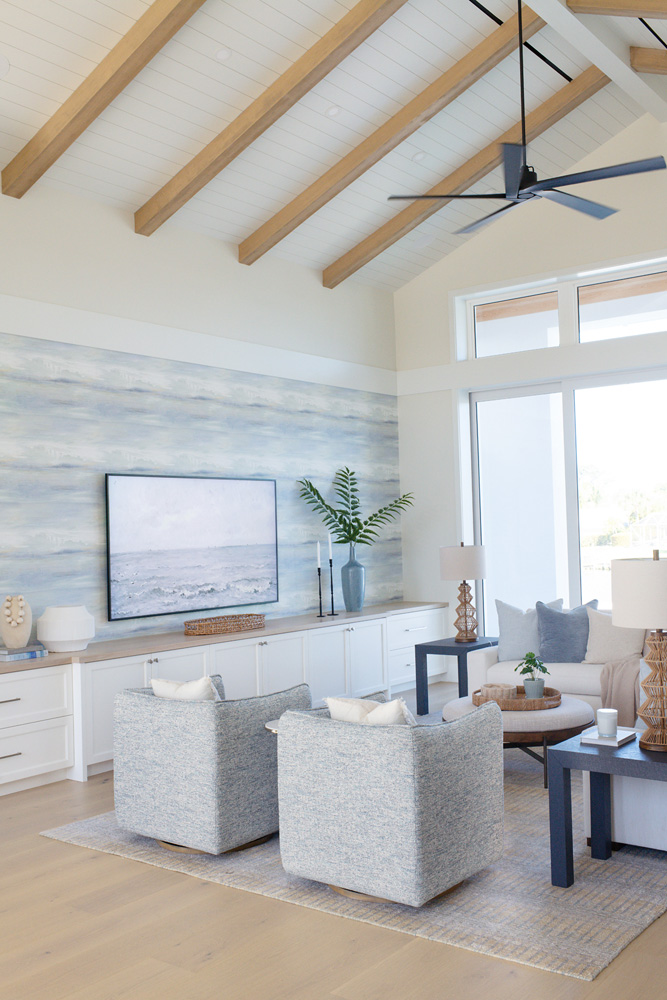
Hire an Interior Designer Before Finalizing Your Plans
A designer should ideally become involved before the layout is locked in. The location of cabinets, appliances, lighting, outlets, plumbing, and built in storage can all affect how well the finished room functions.
Design Affects More Than Appearance
Interior design is not something that simply gets added after construction. The size and position of a kitchen island can affect pendant placement and walking space. A bathroom vanity can influence plumbing, lighting, mirrors, and storage. Furniture placement can even determine where electrical outlets should be installed.
When those decisions are considered early, the construction plan can support the complete design. This helps prevent awkward lighting locations, poor clearances, limited storage, or features that compete with each other.
Early Planning Gives You Better Options
The earlier you begin, the more freedom you have to compare layouts and materials without feeling rushed. Changes are much easier to make while they are still ideas on paper than after products have been ordered or work has begun.
MG Interiors begins by learning how each household uses its home. What interior designers look for before designing a home includes daily routines, storage needs, pets, children, entertaining habits, and future plans. These details help create a home that feels beautiful and works well.

Hire an Interior Designer Before Choosing Materials
A remodel can involve hundreds of selections. Cabinets, countertops, tile, flooring, lighting, plumbing fixtures, hardware, paint, furniture, and window treatments all need to relate to one another.
Your Selections Need a Clear Direction
It is easy to fall in love with individual products while shopping. The harder part is making sure everything works together in the actual room. A countertop may have an undertone that clashes with the cabinets. A flooring choice may feel disconnected from nearby rooms. A light fixture may be beautiful but completely wrong for the scale of the space.
A designer creates an overall direction before individual purchases are made. This helps the room feel intentional instead of looking like a collection of unrelated decisions.
Professional Guidance Can Prevent Expensive Regrets
Some design mistakes are easy to correct. Others are not. Replacing an incorrectly sized vanity, a poorly selected floor, or a countertop that does not work with the room can quickly become expensive.
A designer also considers how materials will perform in everyday life. A surface may look beautiful but require more maintenance than your family wants. A fabric may not be suitable for pets or children. A flooring option may not make sense for the humidity, sand, and active lifestyles common in Florida homes.
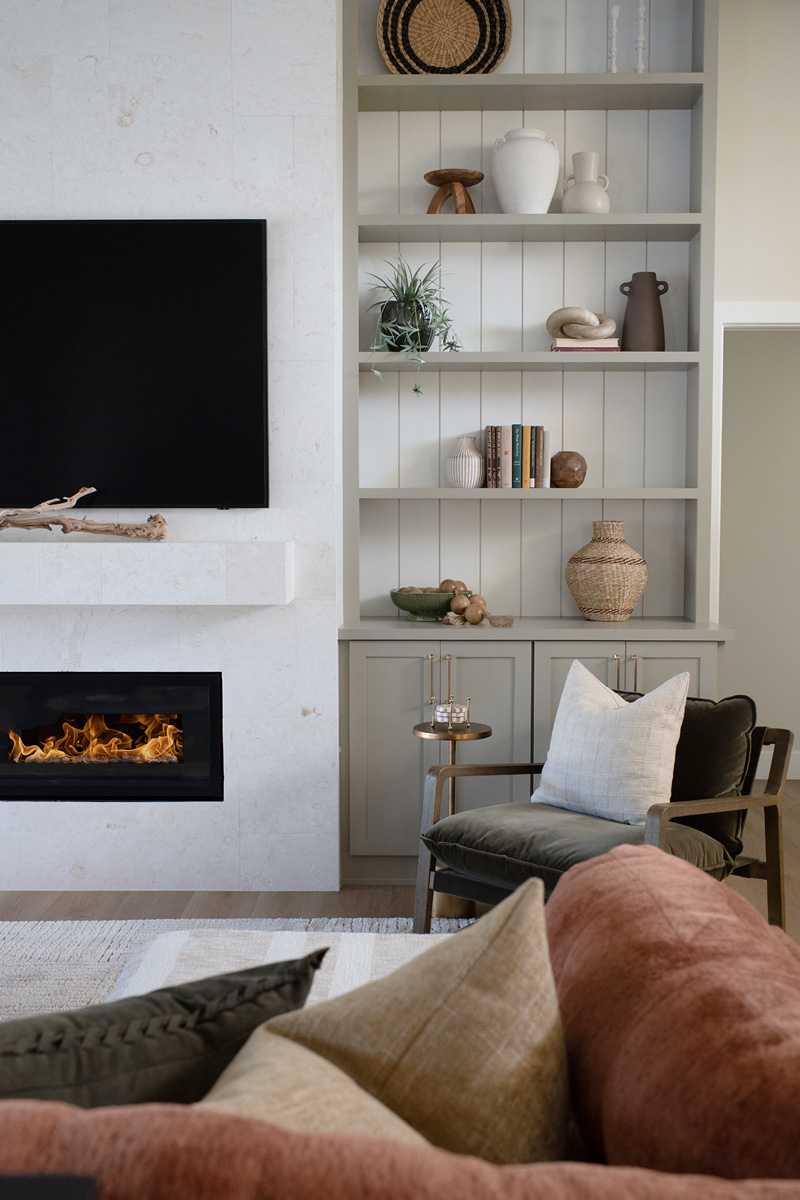
Design the Budget Before Construction Begins
A contractor can provide more useful pricing when the project scope and major selections are clearly defined. When too many decisions are still unknown, estimates may rely on allowances that do not reflect what the homeowner eventually chooses.
A Clear Design Creates a Clearer Investment
Consider asking for a kitchen estimate before deciding on the cabinetry, countertop, backsplash, appliances, lighting, and plumbing fixtures. The initial estimate may look manageable, but the total can change significantly once the actual products are selected.
A designer helps identify the full scope before final pricing. This allows you to decide where to invest, where to simplify, and which features matter most before you are under pressure.
Remember the Entire Finished Room
Construction is only part of a completed space. Furniture, rugs, window treatments, art, lighting, styling, and installation may also need to be included in the budget.
Homeowners sometimes spend nearly everything on construction and realize later that they have not planned for the pieces that make the room comfortable and complete. Making a new construction home look high end requires planning both permanent finishes and decorative elements. The same principle applies to a remodel.
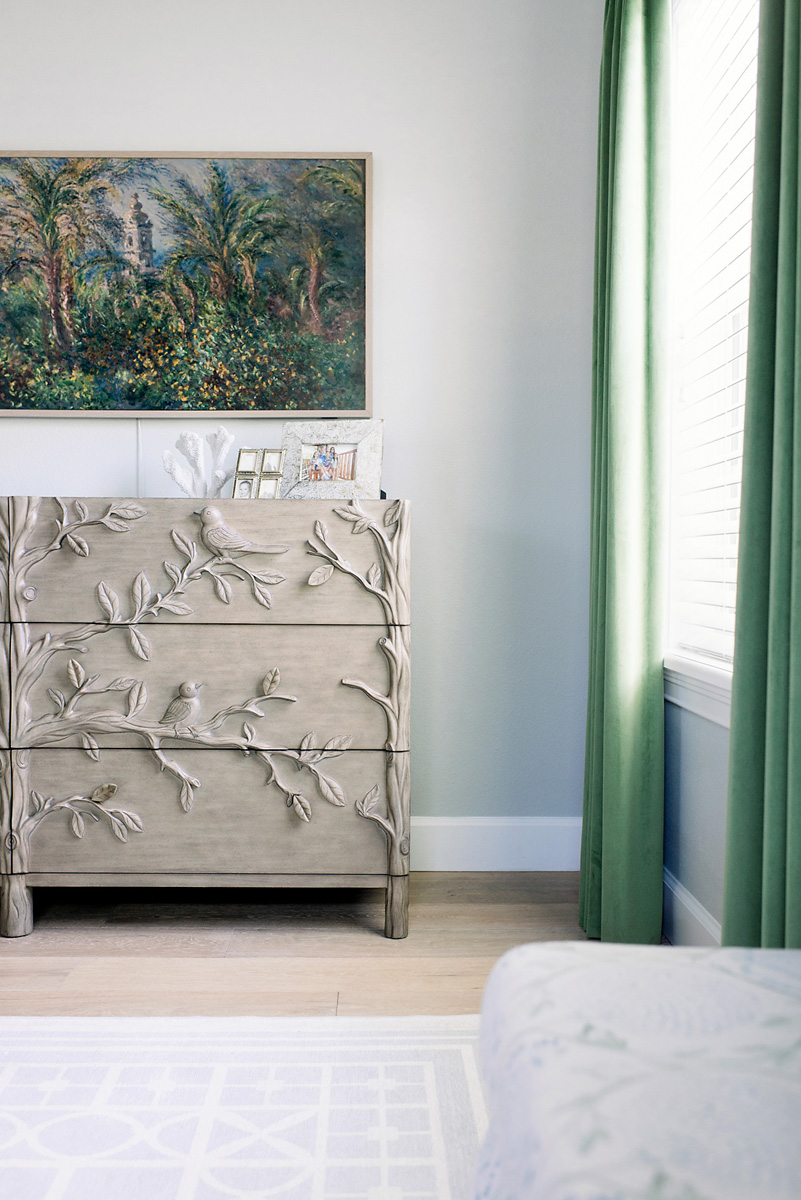
What Happens When You Hire a Designer Too Late?
A designer can still improve a project after construction begins, but they may need to work around decisions that have already been made.
Your Options May Be Limited
If the cabinet layout has already been approved, the designer may have to keep it even when another layout would function better. If flooring has already been ordered, the rest of the room must coordinate with it. If electrical work is complete, lighting and furniture placement may become more restricted.
The project can still turn out beautifully, but the designer has fewer opportunities to improve the foundation of the plan.
Urgent Decisions Often Create Compromises
Many products require time to source, order, produce, and deliver. Custom cabinetry, furniture, lighting, tile, and window treatments are not always immediately available.
When design begins too late, homeowners may have to delay construction or choose from whatever can arrive fastest. Starting earlier allows time to compare options and handle changes without creating unnecessary stress.

How Early Should You Hire an Interior Designer?
For many remodels, contacting a designer several months before the desired construction date is a smart starting point. Larger renovations may need even more planning time, especially when they include structural changes, custom cabinetry, or several rooms.
Start Once the Remodel Becomes a Real Goal
You do not need to have every detail figured out before reaching out. Helping define the project is part of the design process. You should simply have a general idea of which rooms you want to update, what is not working, and what you hope the remodel will improve.
This gives you time to discuss the scope, investment, timeline, and level of design support before major commitments are made.
Do Not Wait for Urgent Contractor Questions
A clear sign that design started too late is when the contractor already needs immediate answers about tile, fixtures, paint, hardware, or lighting locations.
These decisions are better when they are made as part of a complete plan. Your designer needs time to research, measure, source, compare, and revise before final selections are approved.
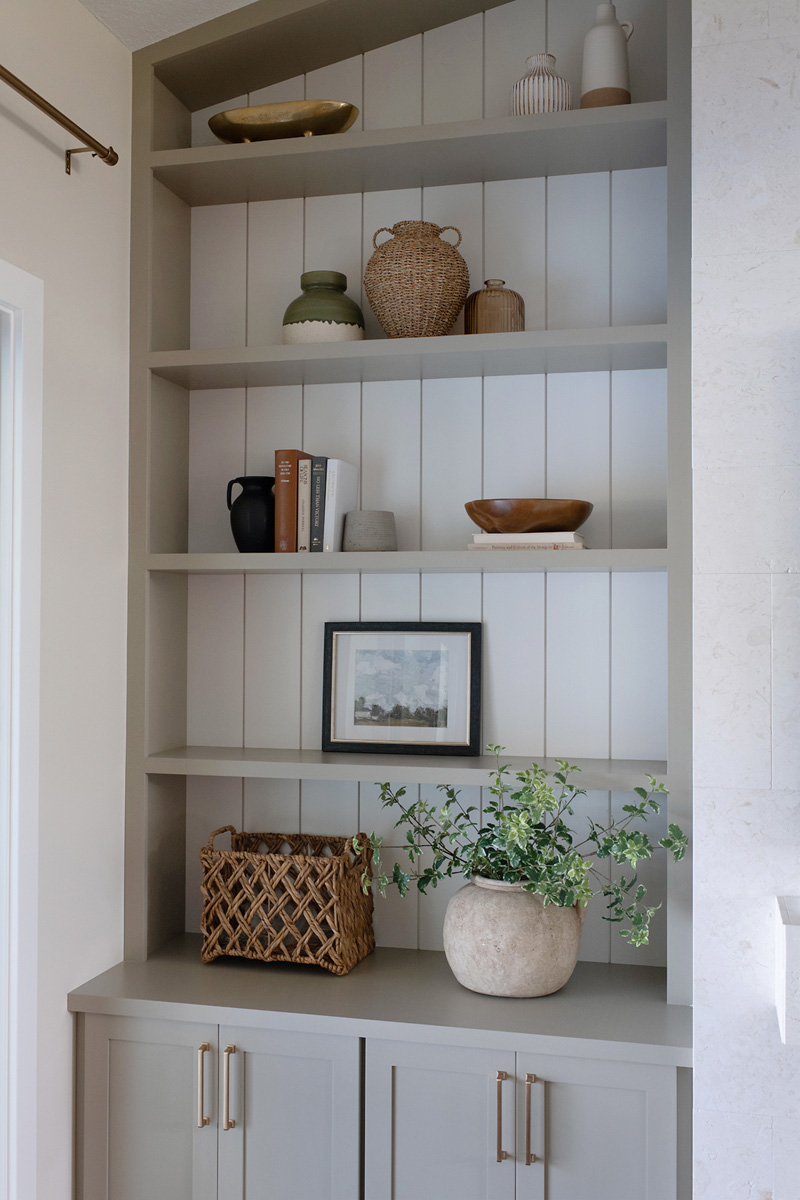
What an Interior Designer Handles During a Remodel
The exact process depends on the project and the service you choose. Some homeowners need help with a few specific selections, while others want a design team to guide the entire remodel.
Creating the Overall Direction
A designer learns about your goals, preferences, routines, and frustrations with the existing room. They may develop the layout, establish a color palette, select materials, and recommend furnishings that support the complete vision.
Supporting the Project as It Moves Forward
Questions and unexpected changes often appear during construction. A product may become unavailable, an installation detail may need clarification, or an existing condition may require an adjustment.
A designer who understands the complete vision can help solve these issues without losing the original direction. They can also communicate important design details to the contractor and other professionals working on the home.
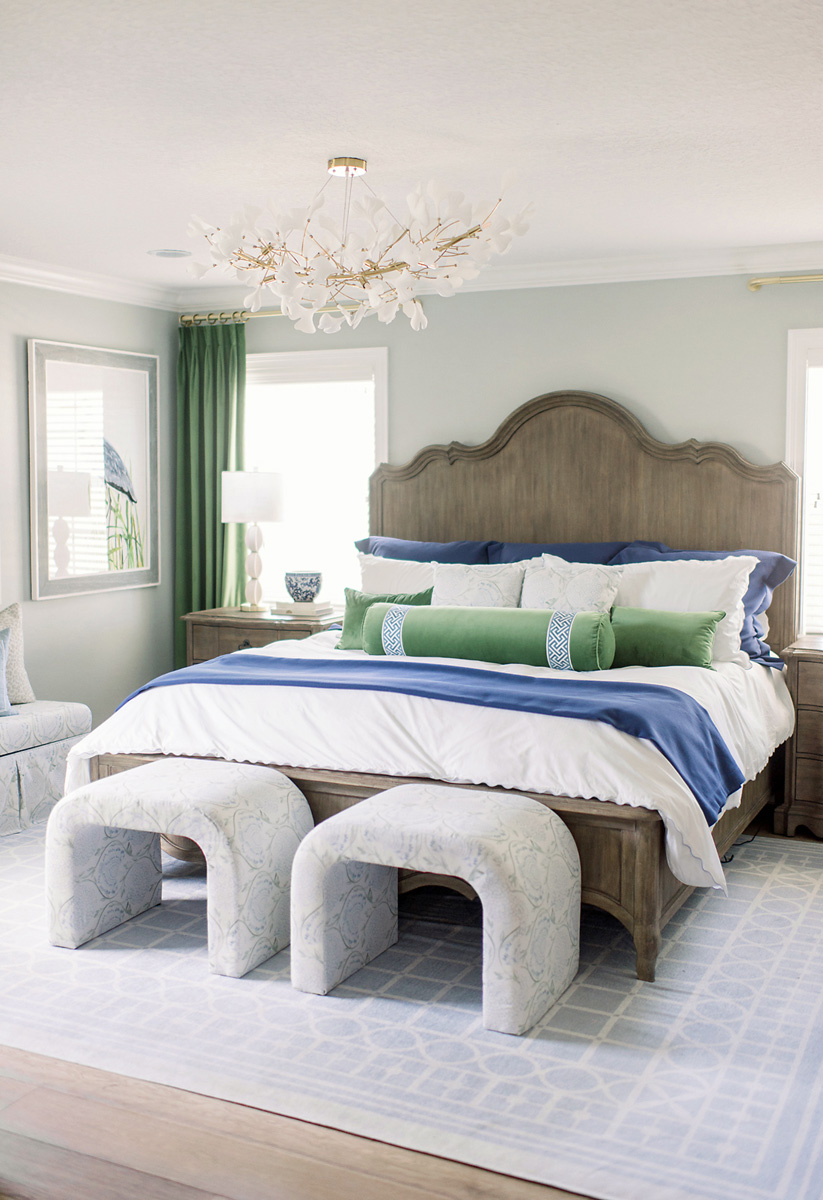
Hire an Interior Designer Before the Remodel Feels Urgent
The best time to hire an interior designer is before layouts are finalized, products are ordered, and construction begins. Early involvement gives you more options, clearer budgeting, more cohesive selections, and fewer rushed decisions.
A remodel is a major investment in your home. The goal should be more than finishing construction. The completed room should look beautiful, function naturally, and make everyday life easier.
Start With a Better Plan
Reach out to MG Interiors before construction begins so your remodel can be thoughtfully planned from the start.