

Interior Design Blog
Free tips & advice from award-winning designers
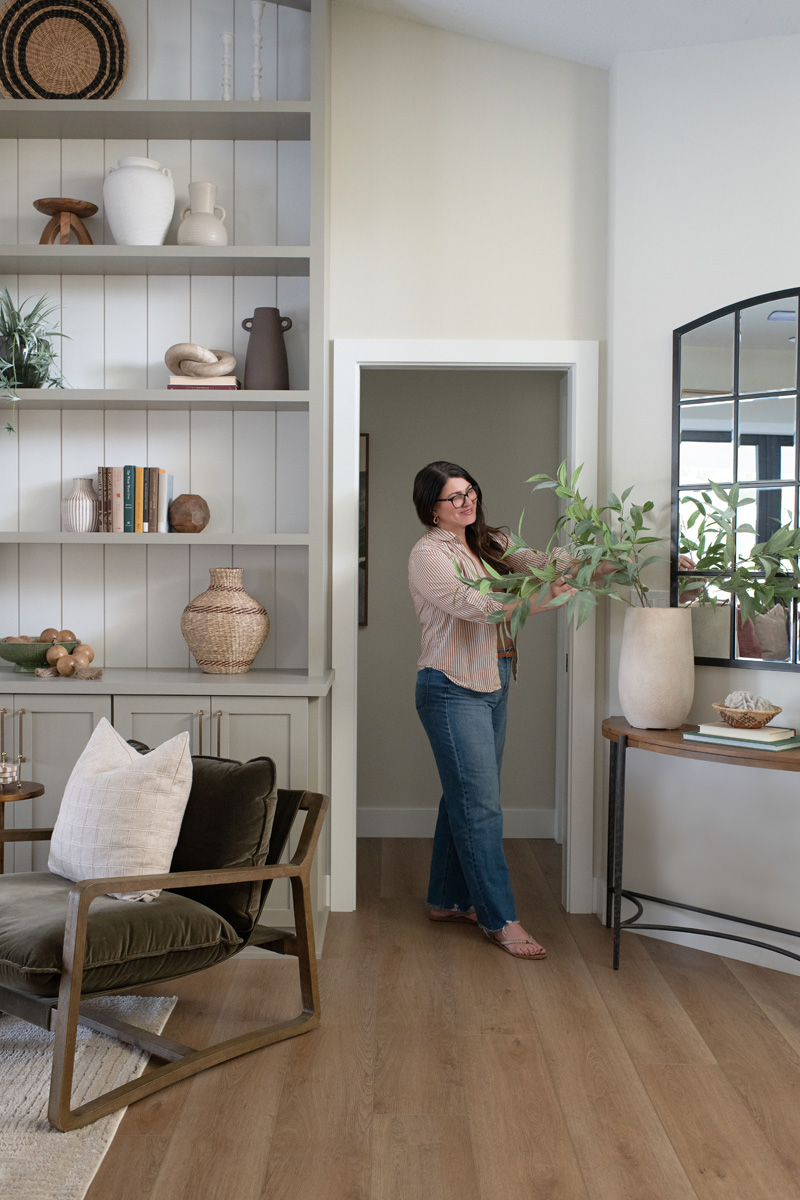
What We Look for Before We Start Designing Your Home
When you walk through your home every day, it’s easy to focus on the obvious things. Maybe a room feels empty, maybe something feels off, or maybe you just know it doesn’t feel as put together as you hoped. But when a designer walks through your home, we’re not just seeing furniture or finishes. We’re reading the space as a whole. We’re looking at how everything connects, how it functions, and where it’s falling short. This is exactly why the Express Design experience starts with understanding your space from this perspective. Because once you see what we see, everything starts to make a lot more sense.
We Look at Your Home as One Complete Experience
One of the biggest differences between how homeowners and designers view a space is that we are not thinking room by room. We are thinking about how your entire home flows together from the moment you walk in. Every transition, every sightline, and every material choice plays a role in how cohesive your home feels.
How rooms connect visually
We pay close attention to what you see as you move through your home. From the entryway to the main living areas and beyond, there should be a sense of continuity. If one room feels drastically different from the next, it creates a disconnect that makes the home feel unfinished, even if each room looks good on its own.
Consistency without repetition
This does not mean everything needs to match. It means there should be a thoughtful balance of materials, tones, and finishes that carry through the home. When done right, it feels intentional and effortless instead of forced.
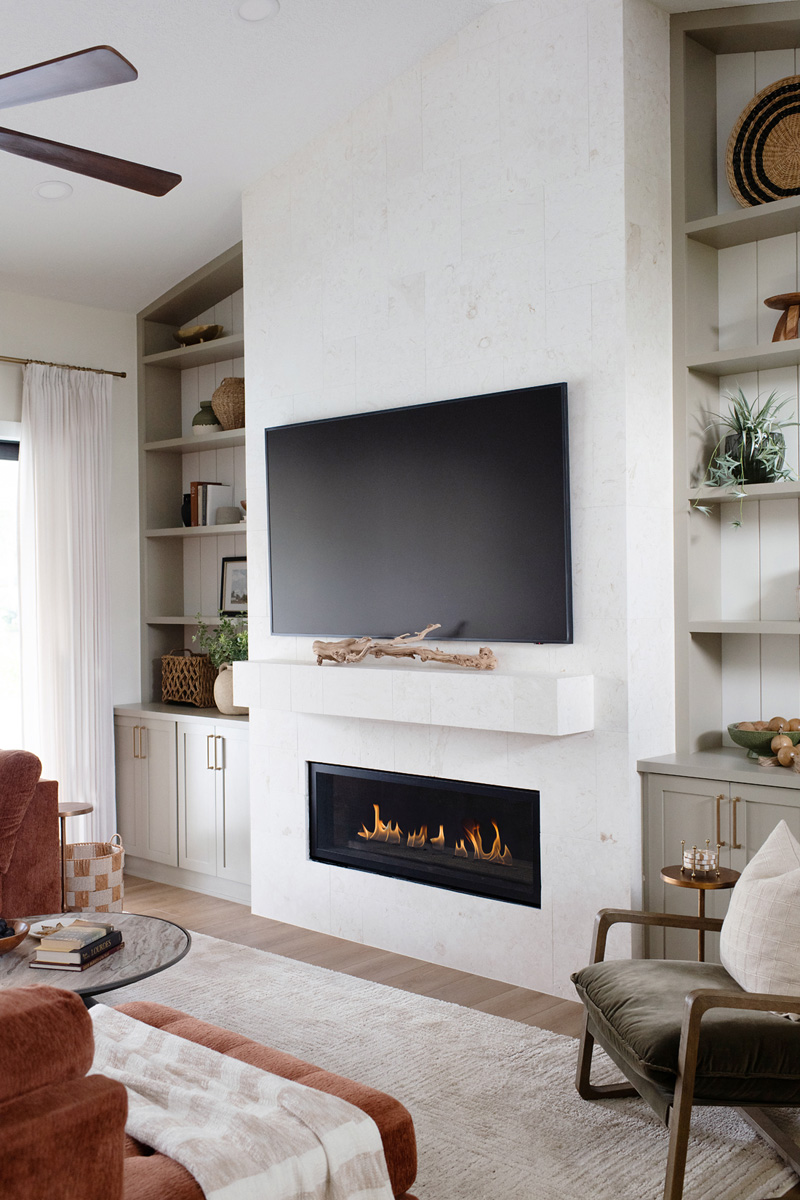
We Evaluate Layout and Function First
Before we even think about styling or finishing touches, we are looking at how your space actually works. A beautiful room that does not function well will always feel frustrating to live in, no matter how nice it looks.
Furniture placement and spacing
We look at how furniture is arranged and whether it supports the way you live. Are pathways clear and natural? Are seating areas positioned for conversation? Is there enough breathing room between pieces? These details make a huge difference in how comfortable a space feels.
Real life use of the space
Your home should support your daily routines, not fight against them. We think about how you move through your home, where you spend the most time, and how each space can better serve you. This is a core part of how we approach full service interior design so that everything feels both beautiful and livable.
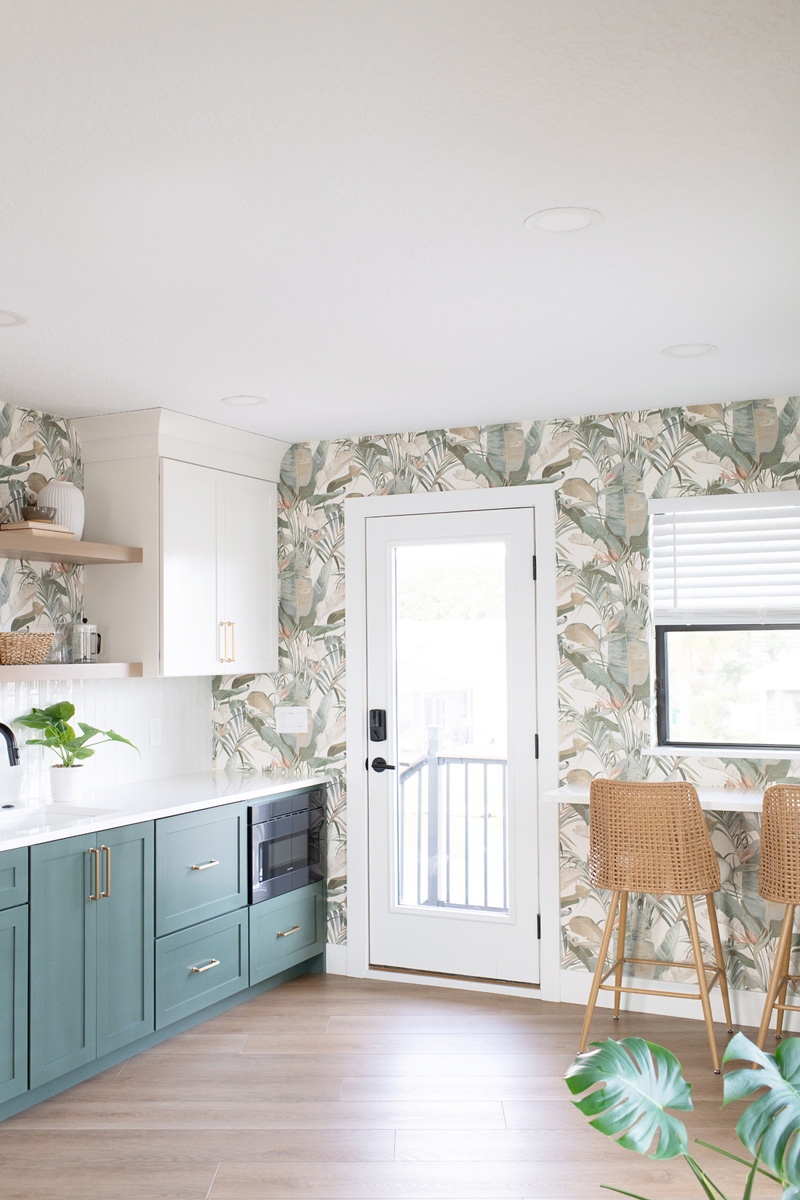
We Pay Attention to Scale and Proportion
This is one of the most common reasons a space feels off, even when everything in it is technically “nice.” Scale and proportion are what make a room feel balanced and complete.
Furniture that fits the room
We look at whether your furniture is appropriately sized for the space. Pieces that are too small can make a room feel empty, while oversized furniture can make it feel cramped. The goal is to create a sense of balance that feels natural.
Layering heights and visual weight
It is not just about the size of individual pieces. It is about how everything works together. We consider the height of furniture, the placement of artwork, and how visual weight is distributed throughout the room to create a cohesive look.
We Analyze Lighting More Than You Think
Lighting is one of the most overlooked elements in a home, but it has a huge impact on how a space looks and feels. During a walkthrough, we are constantly evaluating both natural and artificial light.
- Natural light: How sunlight enters the space and how it changes throughout the day.
- Layered lighting: Whether there is a mix of ambient, task, and accent lighting.
- Fixture placement: How lighting is positioned to highlight key areas and avoid harsh shadows.
We Look for Opportunities to Add Depth and Texture
Even well furnished homes can feel flat if everything is on the same visual level. This is where layering comes in. We are always looking for ways to add depth so a space feels rich and complete instead of one dimensional.
Mixing materials intentionally
We look at the combination of finishes in your home. Wood, metal, fabric, and stone should work together in a way that feels balanced. Too much of one material can make a space feel repetitive or unfinished.
Softening the space
Elements like rugs, drapery, and textiles help bring warmth and softness into a room. These are often the missing pieces that take a space from almost done to fully finished.
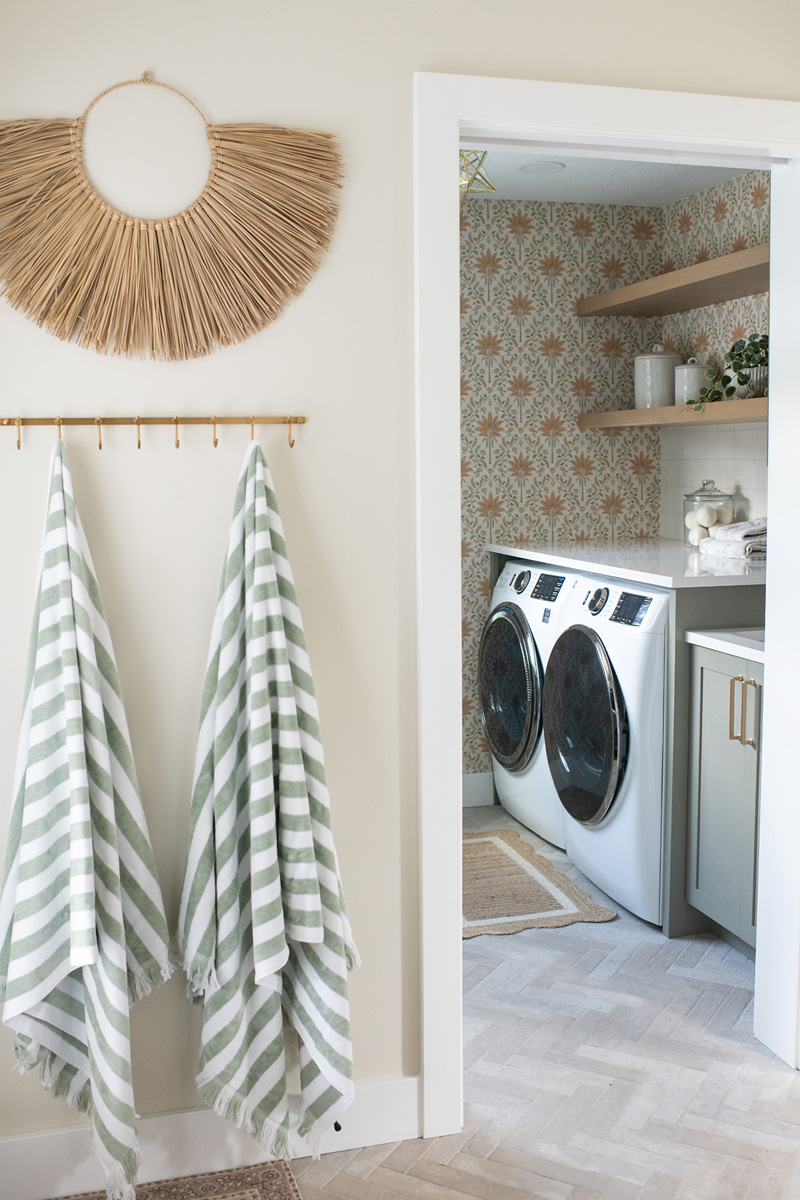
We Notice What Is Missing
Sometimes the biggest issue in a home is not what is there, but what is not. During a walkthrough, we are constantly identifying gaps that are keeping the space from feeling complete.
Unfinished areas
Blank walls, empty corners, and underutilized spaces stand out immediately. These areas are opportunities to add function, personality, and visual interest.
The final layer of styling
This is where everything comes together. Accessories, artwork, and carefully placed details are what make a home feel lived in and intentional. It is the difference between a space that looks staged and one that feels truly complete. If your home feels close but not quite there, this is often the missing piece.
Why This Process Changes Everything
Once you understand what designers are actually looking for during a walkthrough, it becomes much easier to see why a space feels the way it does. It is not about one piece of furniture or one design choice. It is about how everything works together. This is exactly how we approach every project, whether it is a full transformation or a focused update through our virtual design services.
Let’s Take a Look at Your Space
If you feel like your home is close but not quite where you want it to be, a professional walkthrough can make all the difference. We will help you see your space in a completely new way and show you exactly what needs to change to bring it all together.