

Interior Design Blog
Free tips & advice from award-winning designers
How to Use Color Without Overwhelming Your Home
Color can make a home feel warmer, more personal, and more layered. It can also feel intimidating when you want the final result to stay polished, cohesive, and timeless. The goal is not to avoid color. The goal is to use it with enough intention that every shade feels like it belongs.
Why color feels intimidating in interior design
Most people are not afraid of color itself. They are afraid of choosing the wrong version of it. A shade that looks beautiful in a showroom, on Pinterest, or on a tiny paint chip can feel completely different once it is surrounded by your flooring, natural light, furniture, and finishes.
Color changes depending on light
Natural light plays a huge role in how color reads. In bright Florida homes, especially rooms with large windows or strong afternoon sun, a soft neutral can suddenly feel stark, washed out, or much cooler than expected.
Color feels stronger without balance
Color usually feels overwhelming when it has nothing to ground it. A bold fabric, painted wall, or patterned wallpaper needs support from texture, contrast, repetition, and quieter moments throughout the room. This is one reason a thoughtful full service interior design process can make color feel much easier to use, because every selection is considered as part of the larger vision.

Start with a full color palette
A successful home color story is about the full palette, not one paint swatch or one bold fabric. Before committing to a color, it helps to understand how it will work with the fixed pieces in the home, the furnishings being selected, and the feeling you want the space to have.
Build from finishes you already love
Some of the best color decisions start with what is already working. Flooring, tile, stone, cabinetry, upholstery, artwork, and meaningful pieces can all guide the direction of the palette.
Use undertones to keep everything connected
Undertones are where color gets tricky. Two shades can both look neutral at first glance, but one may lean warm while the other feels cool, and that small difference can make the whole room feel slightly off. If you are working through selections on your own but want a designer’s eye before committing, hourly consulting interior design can be a helpful way to get clarity before one small choice turns into a bigger design issue.
Use color in ways that fit your interior design style
Color does not work the same way in every home. A modern organic space may need quiet earth tones and natural contrast, while a grandmillennial room can handle more pattern, charm, and personality. The style of the home should guide how much color is used, where it shows up, and how bold it should feel.

Modern organic
Modern organic interior design often feels best when the color palette is soft, earthy, and grounded. Warm whites, clay tones, soft greens, natural woods, stone shades, and quiet contrast can make the space feel calm without feeling empty.
Coastal
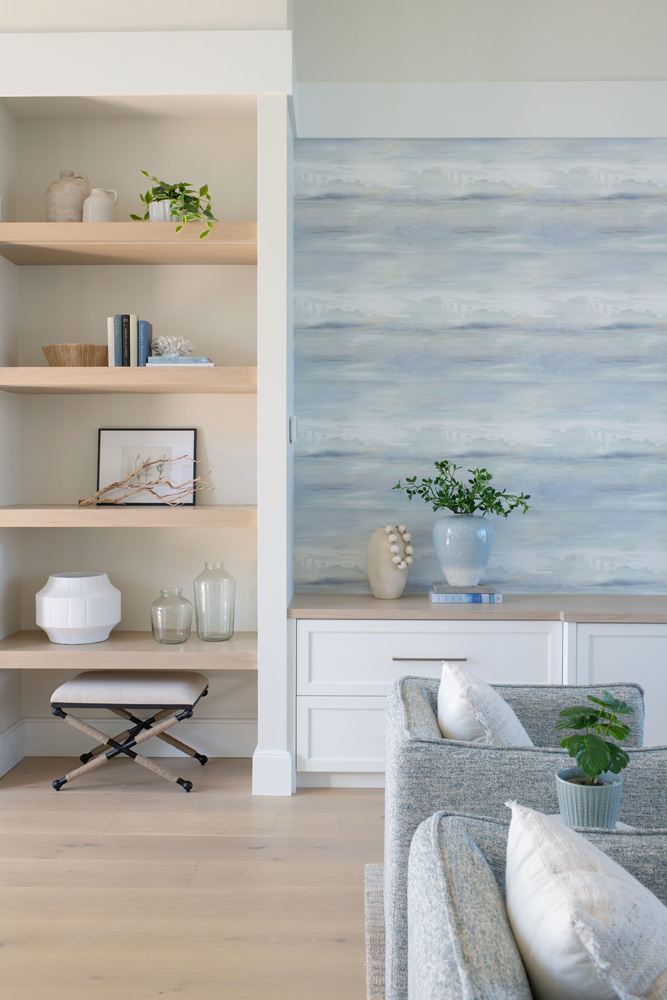
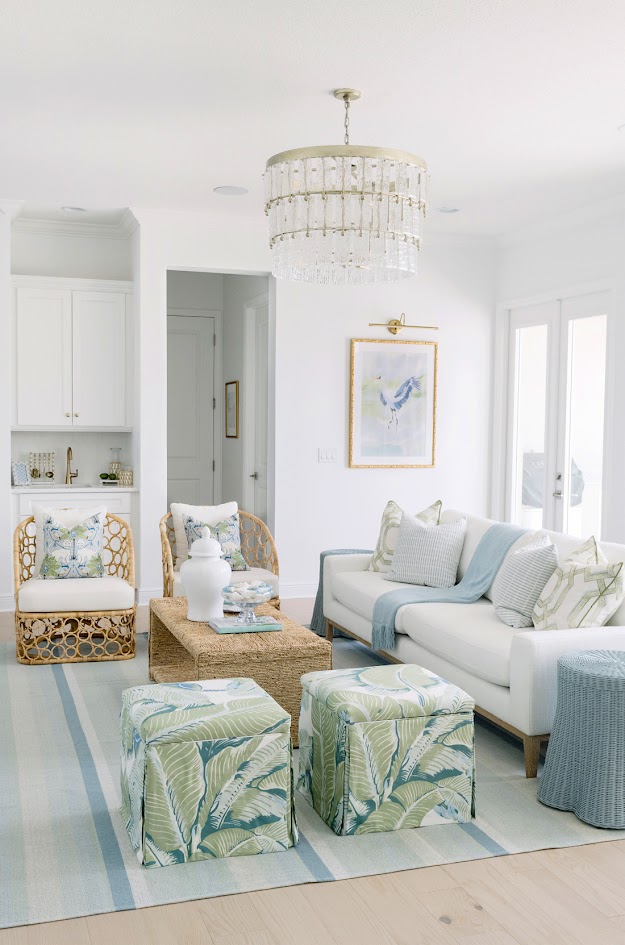
Coastal interior design does not have to mean obvious blue and white. Softer neutrals, sandy tones, muted greens, weathered woods, and subtle watery shades can create a coastal feeling without making the home feel themed.
Grandmillennial
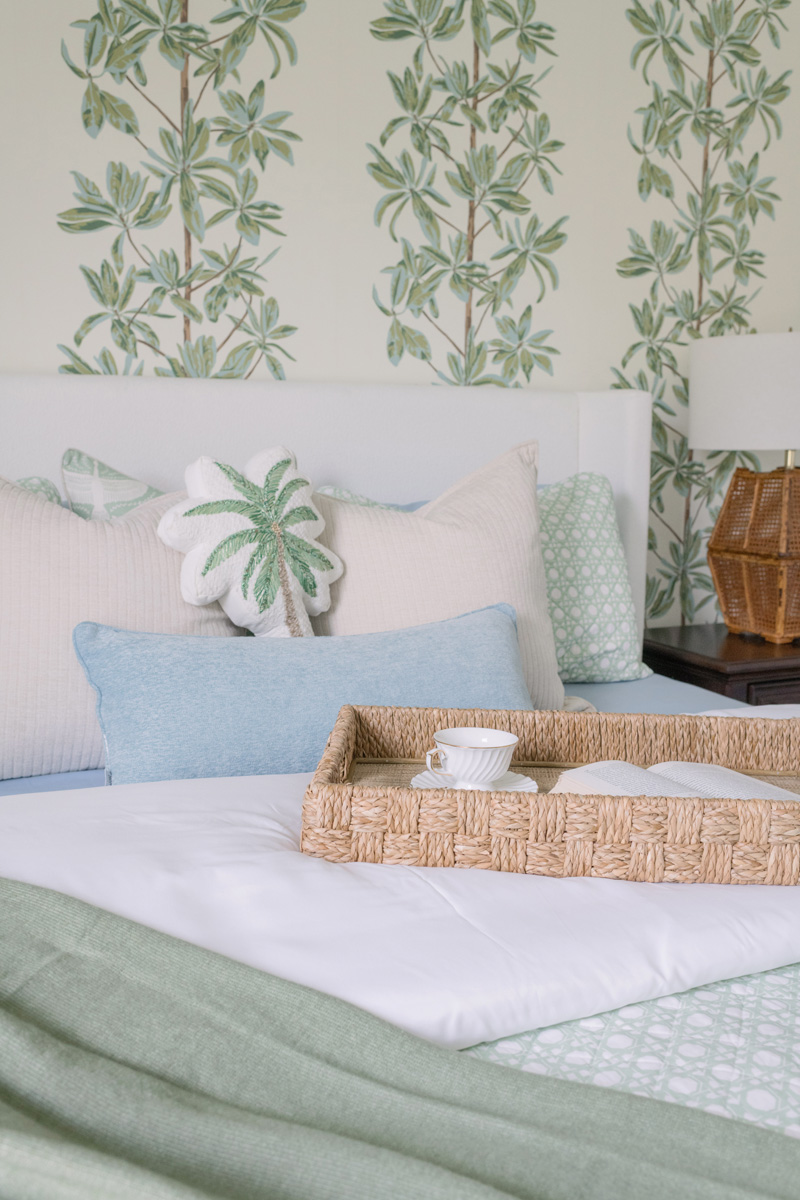
Grandmillennial interior design gives color more room to play. Wallpaper, patterned textiles, skirted furniture, antiques, florals, and charming details can all work together when the palette has a clear point of view.
Traditional
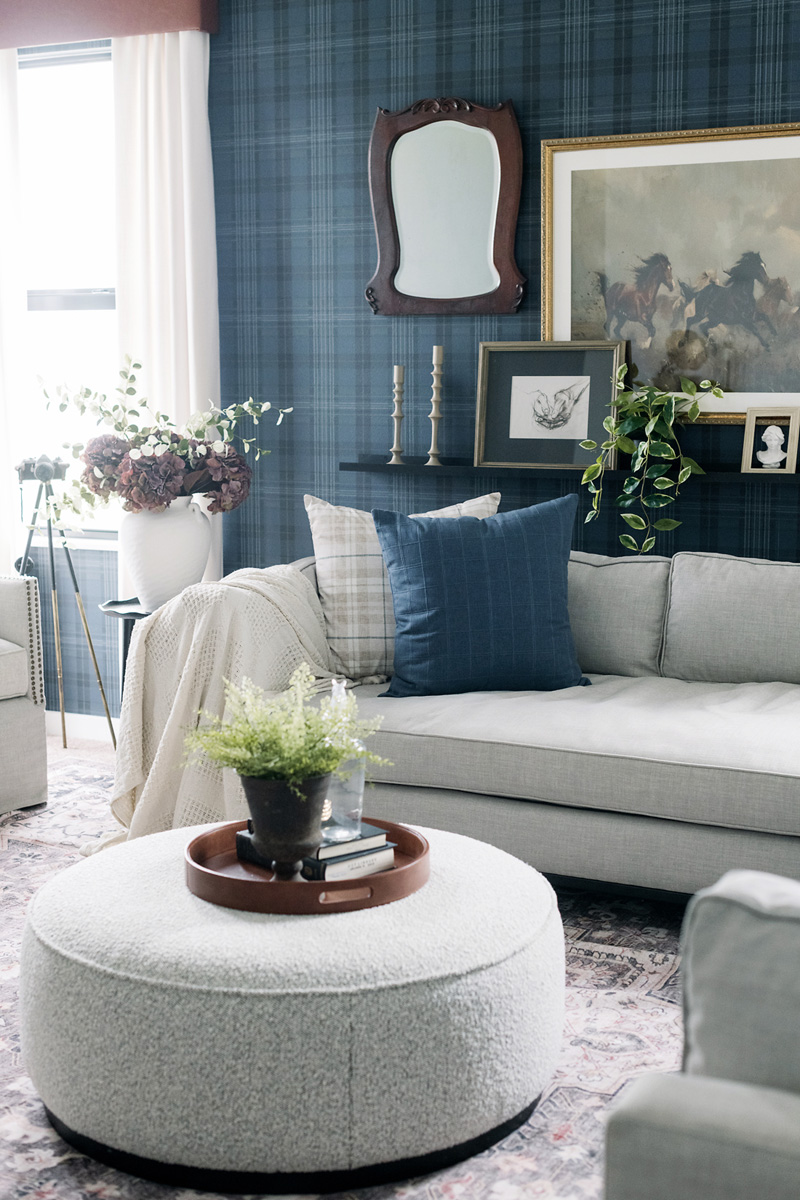
Traditional interior design often uses color in a rich, balanced way. Deeper blues, greens, warm neutrals, wood tones, classic patterns, and layered fabrics can make the home feel elegant without feeling stiff.
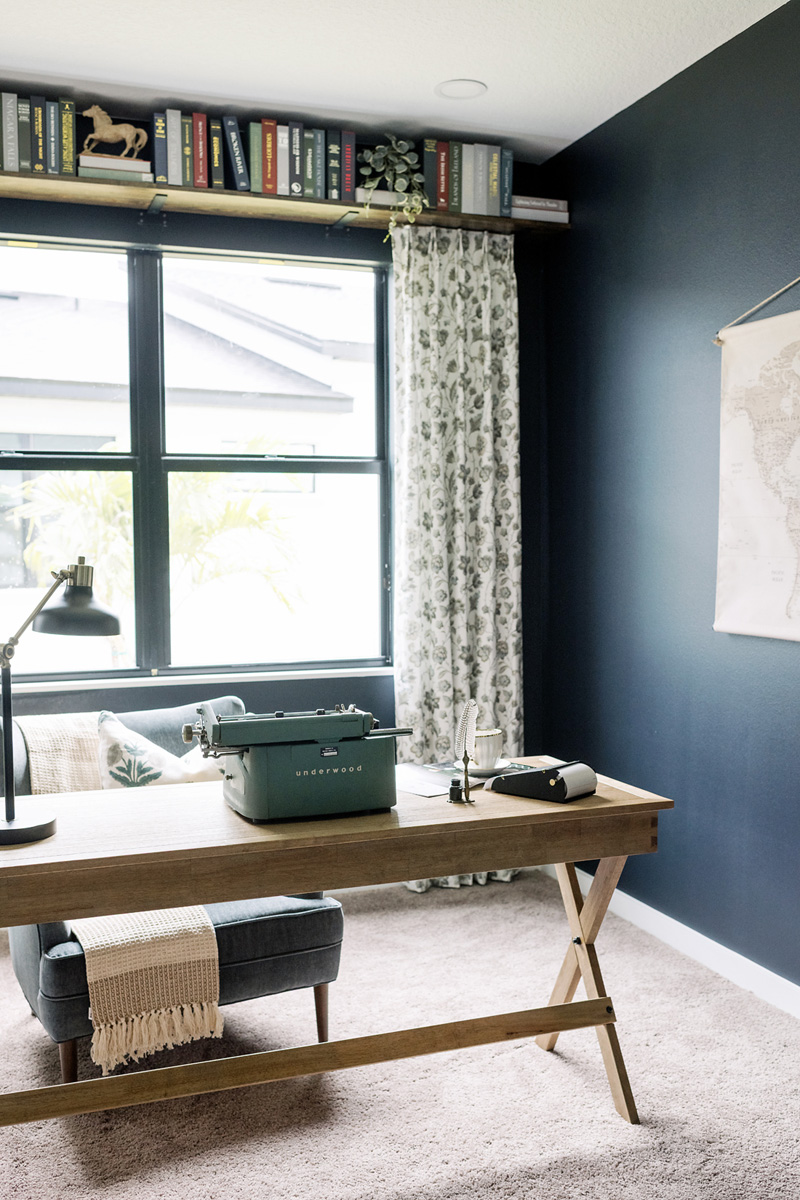
Eclectic
Eclectic interior design can handle more personality, but it still needs structure. Repeated colors, consistent undertones, and thoughtful contrast help collected pieces feel intentional instead of chaotic.
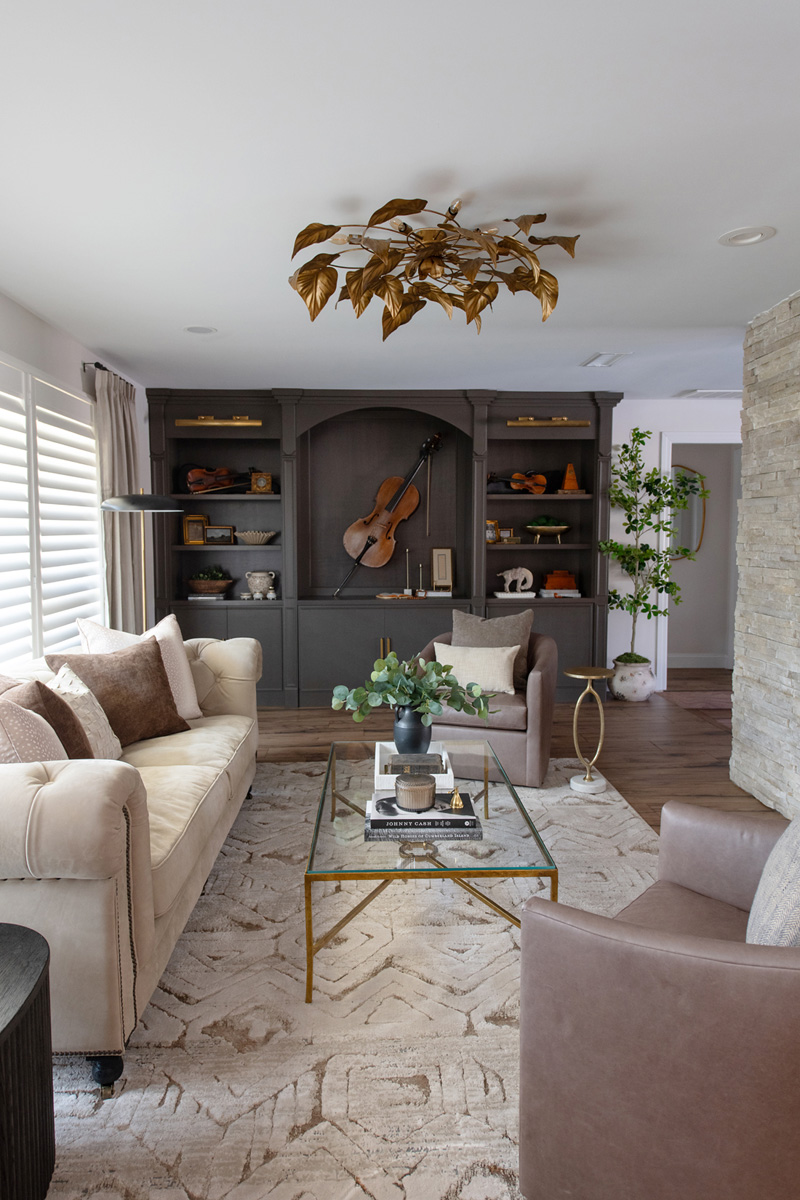
Contemporary
A contemporary interior design style usually benefits from a more edited color approach. Clean contrast, a limited palette, and a few strong accents can make the room feel polished, fresh, and visually interesting.
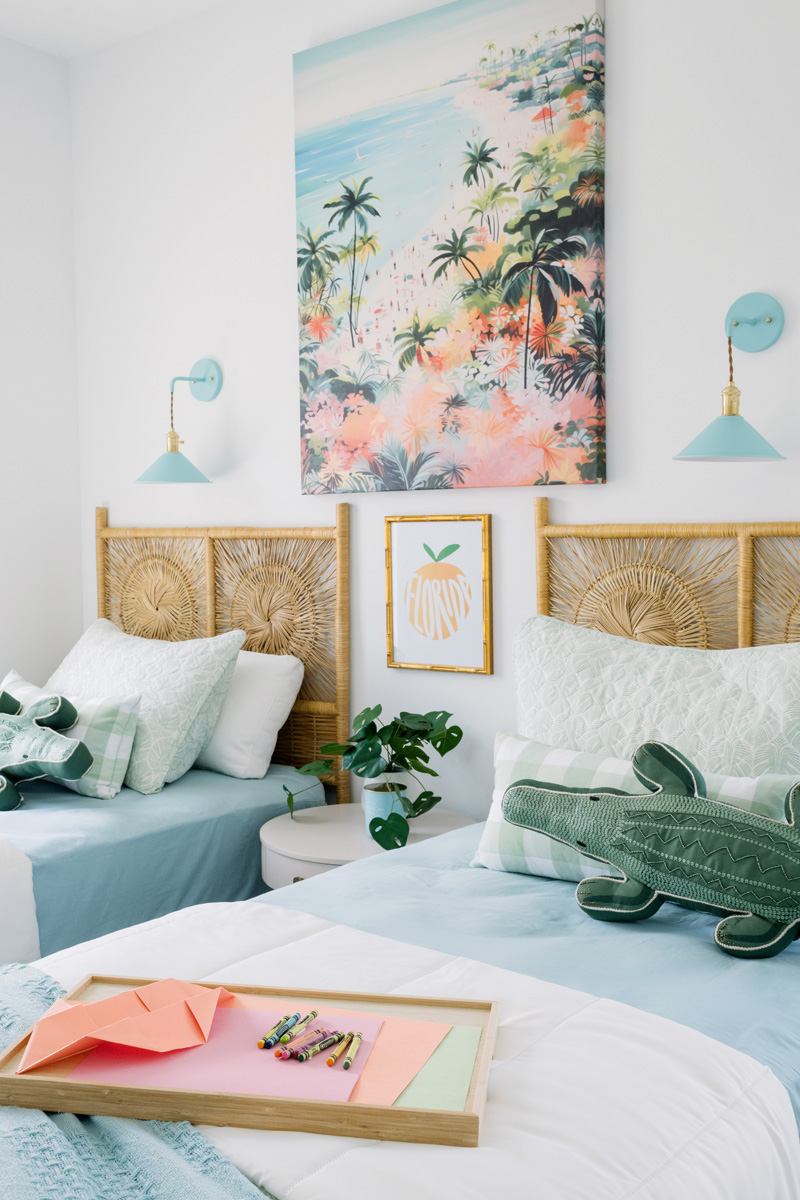
Kids’ spaces
Kids’ spaces are a natural place to use color more playfully. The key is creating something fun now that still has room to grow, so the room does not feel locked into one stage of childhood too quickly.
Use color where it makes the most sense
Color does not have to show up on every wall or in every major piece. Sometimes the most beautiful color moments come through smaller decisions that support the design without taking over the room.
- Paint: Great for creating mood, softness, contrast, or a more enveloped feeling.
- Wallpaper: Perfect for adding color, pattern, and personality in a powder bath, bedroom, dining room, or entry.
- Textiles: Rugs, drapery, pillows, and upholstery can bring in color while keeping the design flexible.
- Art and accessories: These pieces can carry color through the home in a personal and collected way.
How to make color feel elevated instead of busy
Color feels more sophisticated when it is edited, repeated, and supported by the rest of the room. That does not mean the design has to be quiet. It means the bold moments need a reason for being there.
Repeat color in subtle ways
A color feels more intentional when it appears more than once. That could mean a tone from a piece of artwork showing up again in a pillow, a wallpaper shade connecting to nearby upholstery, or a cabinet color echoed through styling.
Choose softer color when you want longevity
Highly saturated colors can be beautiful, but softened colors are often easier to live with over time. Muted blues, greens, terracotta tones, blushes, warm taupes, and dusty shades can add personality while still feeling refined.
Ready for a home with more personality?
Reach out to create a home that feels polished, personal, and easy to love.