

Interior Design Blog
Free tips & advice from award-winning designers
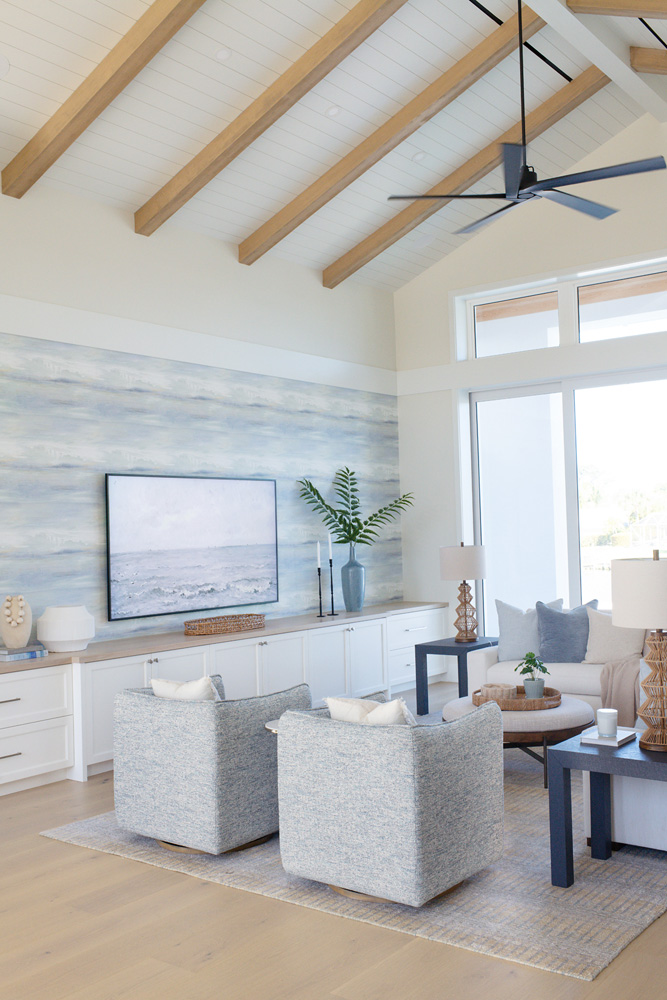
Interior Design for Real Life Homes That Grow With Your Family
Most homeowners do not struggle because their house is too small or not stylish enough. The real issue is that the home was never designed to support real life as it changes. Kids grow, routines shift, storage needs multiply, and suddenly a space that once felt beautiful feels cramped, chaotic, or unfinished. Designing with room for real life means creating a home that feels complete without being overstyled, flexible without feeling temporary, and personal without being cluttered. This approach is at the heart of thoughtful interior design and it is what allows a home to evolve with you instead of working against you.
Design for How You Live Now and How You Will Live Later
It is easy to design for the current season of life because it is right in front of you. What takes intention is designing with future versions of your family in mind. That does not mean predicting every change or planning for every possibility. It means understanding patterns. Kids get bigger. Schedules get busier. Quiet spaces become just as important as gathering spaces. When interior design accounts for both present and future needs, the home remains functional and relevant for years instead of feeling outdated after a short time.
Think in Phases Not Permanence
Not every design decision needs to last forever. Some elements should be flexible and easy to update, like accessories, accent furniture, and styling layers. Other elements like layout, built ins, and lighting should be planned with longevity in mind. Separating what can change from what should last helps prevent expensive rework later, something we walk clients through as part of our design process.
Design Around Routines Not Trends
Daily habits reveal more than design trends ever will. Where shoes get kicked off, where backpacks land, where people naturally gather at the end of the day. When a home supports real routines, it stays functional even as style preferences shift, which is often missing in trend driven spaces that look finished but never quite feel complete.
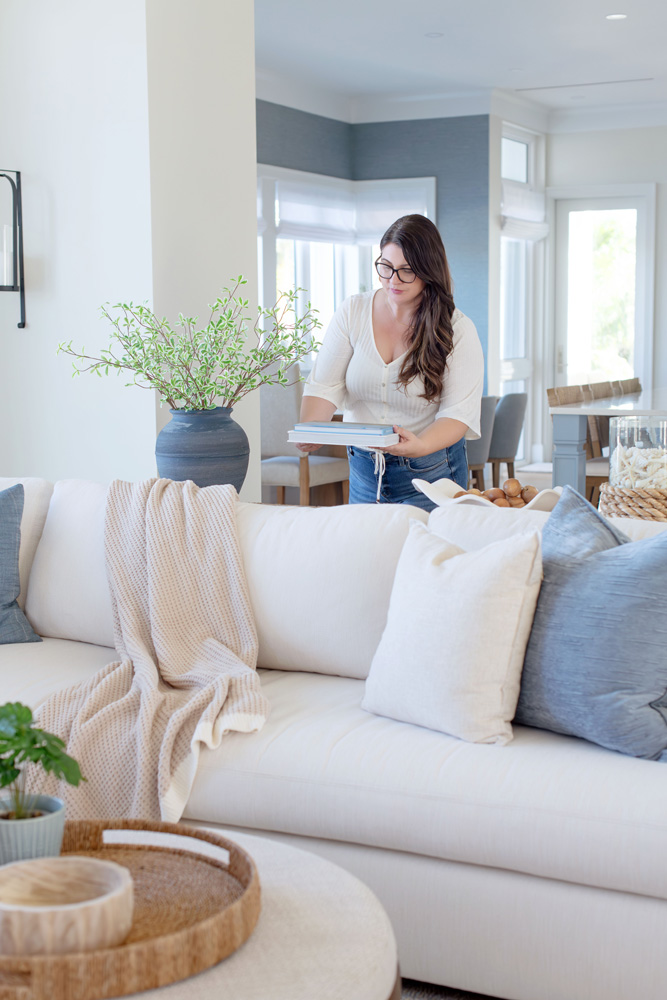
Why Flexible Spaces Matter More Than Extra Square Footage
More space does not always mean better living. Flexible spaces allow one room to serve multiple purposes over time without feeling forced or cluttered. A guest room can double as a home office. A dining area can function as a homework space. The key is designing these rooms with intention so they do not feel like temporary solutions.
Multi Use Rooms Done Right
Flexibility works best when storage and furniture choices are built into the plan. Thoughtful interior design considers how rooms will shift between uses without needing constant rearranging or compromises, something we see often in real client homes.
Layouts That Adapt Naturally
When furniture placement and circulation are planned properly, rooms can evolve without losing balance or flow. This is where professional space planning becomes invaluable, especially in open layouts where function can quickly fall apart without guidance.
Designing With Room for Real Life
Overstyling is one of the most common mistakes homeowners make. Spaces can look beautiful in photos but feel impractical in daily life. When every surface is filled and every corner is styled, there is no room left for the things that matter most. Designing with room for real life means leaving intentional breathing space so the home can support everyday living without feeling chaotic.
A Finished Home Should Still Feel Personal
Your home should have space for photos, meaningful objects, seasonal changes, and everyday essentials. A well designed space feels complete but not crowded, styled but not untouchable, avoiding the overly staged look discussed in homes that never quite feel finished.
Less Styling Creates More Freedom
When the foundation of the design is strong, the space does not rely on excess decor to feel finished. This allows the home to adapt naturally as life evolves, instead of constantly needing to be reset or refreshed.
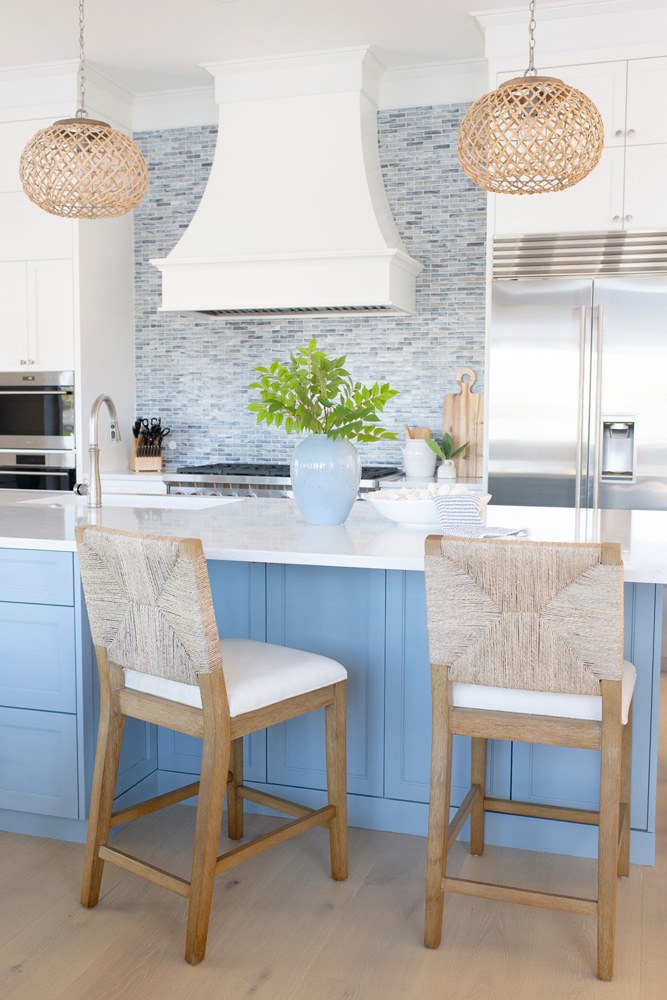
Furniture Choices That Can Grow With You
Furniture plays a major role in how adaptable a home feels. Pieces that are too large, too trendy, or too specific can limit future flexibility. Selecting furniture that is appropriately scaled and versatile allows the room to shift as needs change without requiring a complete overhaul.
Scale Over Statements
Furniture that fits the room properly will always outlast bold statement pieces that dominate the space. Proper scale creates comfort and balance that remains relevant long term, something we emphasize during hourly consulting sessions.
Neutral Foundations With Personality Layers
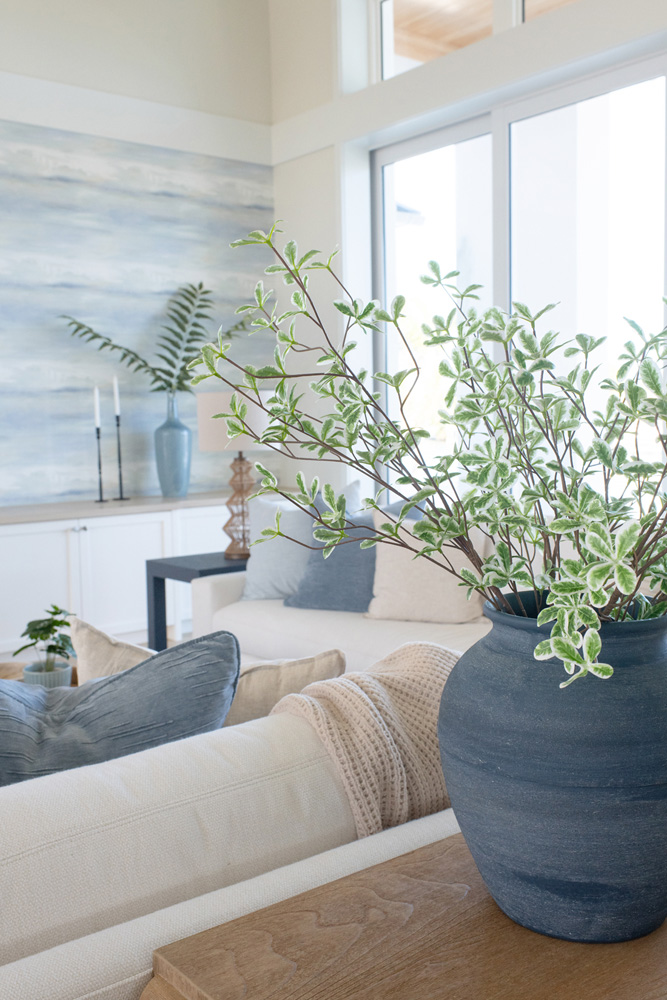
Neutral does not mean boring. It means creating a base that allows personal style to evolve. Pillows, art, and accents can change as life does without disrupting the overall design, especially in styles like modern organic interiors.
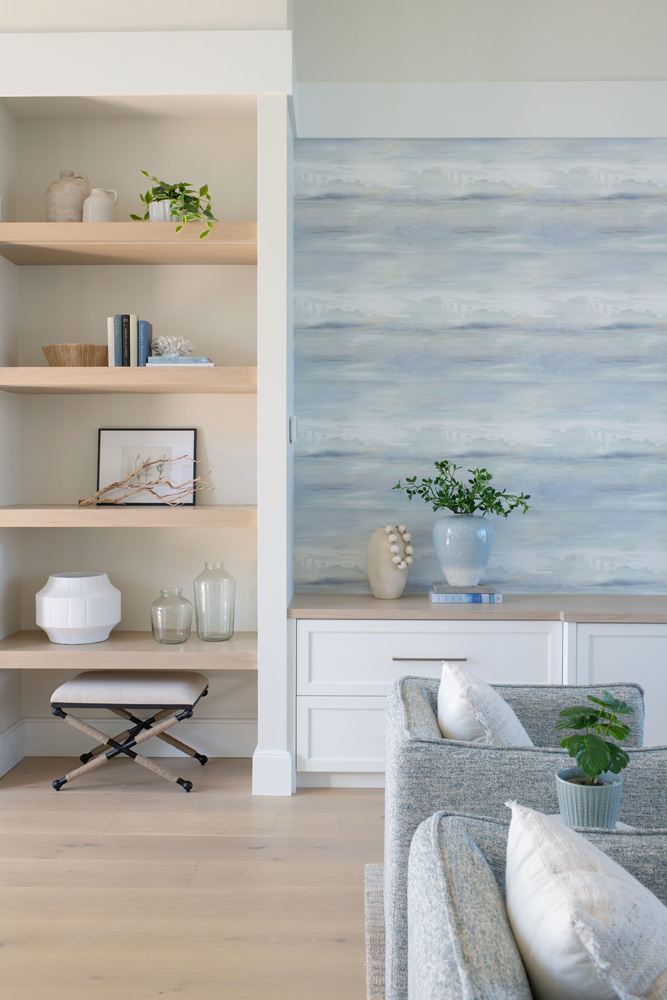
Storage That Prevents Chaos as Life Gets Busier
As families grow, storage becomes less about hiding things and more about supporting daily systems. Well planned storage keeps homes functional without sacrificing aesthetics. This is one of the most overlooked aspects of interior design and one of the most impactful.
- Drop zones that manage everyday clutter
- Closed storage that keeps visual noise minimal
- Built ins that maximize space without feeling bulky
Layouts That Support Movement and Connection
Good layout design allows people to move through the home easily while still feeling connected. This becomes especially important as families grow and schedules overlap. Poor layouts create bottlenecks and frustration even in large homes, something we often address when working on full service interior design projects.
Clear Pathways Matter
Traffic flow should feel intuitive. When pathways are blocked or furniture placement is awkward, everyday tasks become harder than they need to be, even in homes with generous square footage.
Spaces That Encourage Gathering
Designing areas where people naturally come together helps strengthen connection without forcing it. These spaces should feel inviting and functional, not staged, similar to what we prioritize in many of our coastal interiors.
Investing in Materials That Can Handle Real Life
Durability matters just as much as style. Performance fabrics, quality finishes, and easy maintenance materials allow a home to stay beautiful without constant worry. A well designed home should support living, not restrict it.
- Performance upholstery that resists wear
- Finishes that age gracefully
- Surfaces that are easy to maintain
Why Thoughtful Interior Design Prevents Costly Redos
Many homeowners end up redesigning the same spaces multiple times because the original plan did not account for how life would evolve. Thoughtful interior design addresses function, flexibility, and longevity from the beginning. This saves time, money, and stress while creating a home that truly supports your lifestyle.
Planning Before Purchasing
Designing the space first and then selecting furnishings ensures everything works together and prevents impulse decisions that do not serve the long term vision, a challenge we often see when clients come to us after trying to piece things together on their own.
A Home That Works Harder for You
When design decisions are intentional, the home becomes easier to live in and easier to maintain. That is the difference between decorating and designing, and why so many homeowners choose to work with a professional instead of navigating it alone.
Ready to Design a Home That Grows With You
If your home feels beautiful but not quite right, it may be time to design with room for real life. Reach out to start the conversation.