

Interior Design Blog
Free tips & advice from award-winning designers
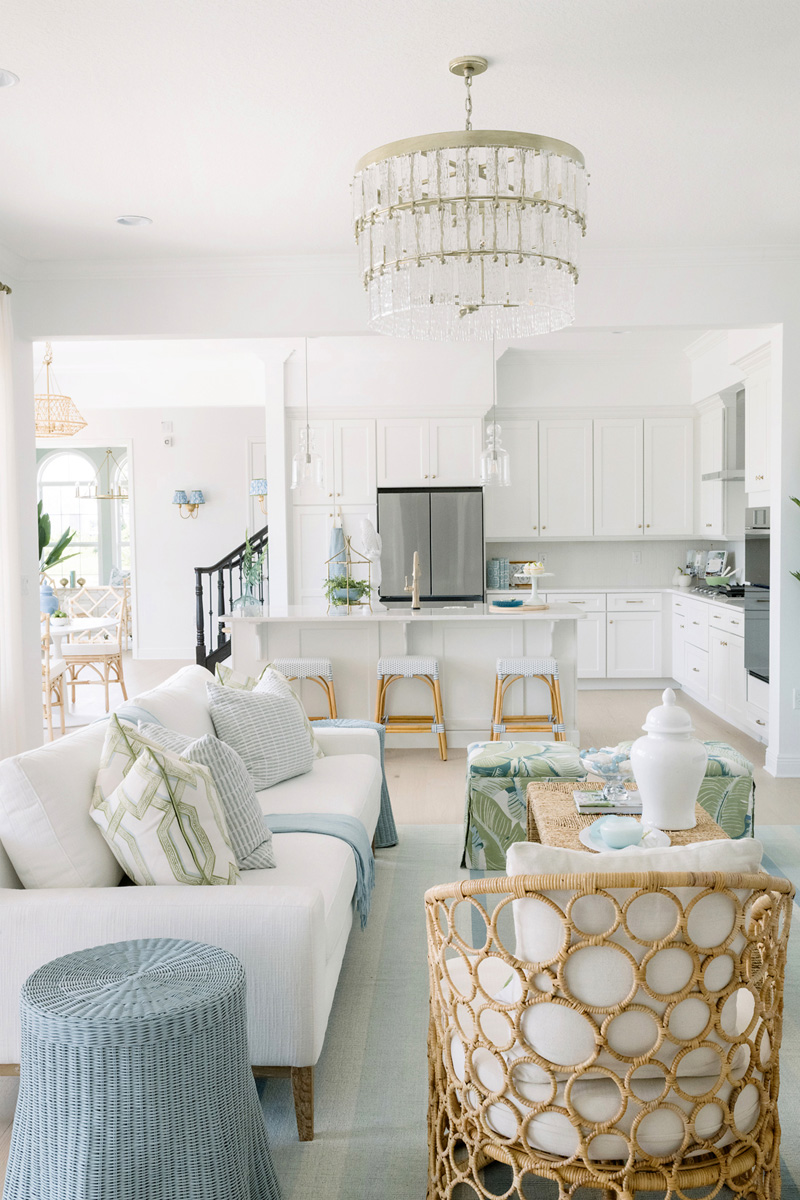
Open Floor Plan Interior Design Tips That Make a Space Feel Complete
If you have an open floor plan, you have probably had the same thought at least once: why does this space still feel a little empty, even after you bought furniture? Open layouts are awesome for light, flow, and hosting, but they can also feel like one big room that never fully lands. The good news is that this is not a you problem. It is a design problem, and it is totally solvable with a few smart decisions that make the layout feel defined, layered, and complete.
Why Open Floor Plans Feel Unfinished
Open layouts remove walls, which is great until you realize walls did a lot of visual work for free. They naturally separated the living room from the dining room, and they gave you built in stopping points for furniture. Without those boundaries, the eye just keeps traveling, and the whole space can feel like it is floating. On top of that, most people buy pieces one at a time, which makes it harder for everything to feel connected across a larger footprint.
Too much space and not enough structure
Most open layouts need structure more than they need more stuff. If the furniture is pushed to the perimeter, you end up with a big empty center that feels awkward instead of welcoming. A better approach is planning zones first, then choosing furniture that supports how you actually live, walk, sit, watch TV, eat, and host.
It is not about filling every corner
A finished space is not packed. It is intentional. The goal is to create a sense of purpose in each area so the room feels styled and comfortable, not like a showroom and not like a waiting room. If you want to see how a well planned open layout looks when it is done right, browse our interior design photo gallery for real homes that feel warm and complete.

Open Floor Plan Interior Design Starts with Zoning
Zoning is the secret sauce. You are basically designing multiple rooms that happen to share one footprint. When the zones are clear, the whole space instantly feels more finished because your brain understands where each activity belongs. This is the part that most people skip, and it is usually why the room never feels quite right.
Use furniture placement to create natural boundaries
Your sofa does not have to hug a wall. In many open layouts, floating the sofa or using a sectional to turn the corner creates a natural boundary for the living area. A console table behind the sofa can add polish and function while also reinforcing the edge of that zone. Once the living room is defined, the dining area becomes easier to plan because it no longer competes for attention.
Rugs are your best friend in an open layout
A properly sized rug anchors a zone and makes it feel like a real room. The key is scale. If the rug is too small, it reads like an afterthought and makes the furniture feel disconnected. If you want the living area to feel grounded, the front legs of major seating pieces should sit on the rug, and the rug should extend enough to frame the conversation area in a way that feels intentional.
Furniture Scale and Proportion Make or Break the Space
In an open plan, scale matters more than people expect because everything is visible at once. If the furniture is undersized, the room feels empty even if you have plenty of pieces. If it is oversized, the space feels heavy and hard to move through. The sweet spot is choosing pieces with the right visual weight and arranging them so the room feels full without feeling crowded.
Why small furniture makes open spaces feel sparse
Two small accent chairs and a tiny coffee table might look cute online, but in a large open area they can feel lost. The room ends up looking unfinished because the seating group does not visually hold its own. A larger rug, a properly scaled coffee table, and seating that fits the size of the room can instantly make the space feel more complete, even before you add decor.
Create balance across the living and dining areas
The living zone and dining zone should feel like they belong together, not like two separate mood boards. If your living room has substantial pieces, the dining set should have a similar presence, whether that means a larger table, more substantial chairs, or a statement light fixture. This is where having a professional plan helps, because you are not guessing how everything will read together across the whole view.
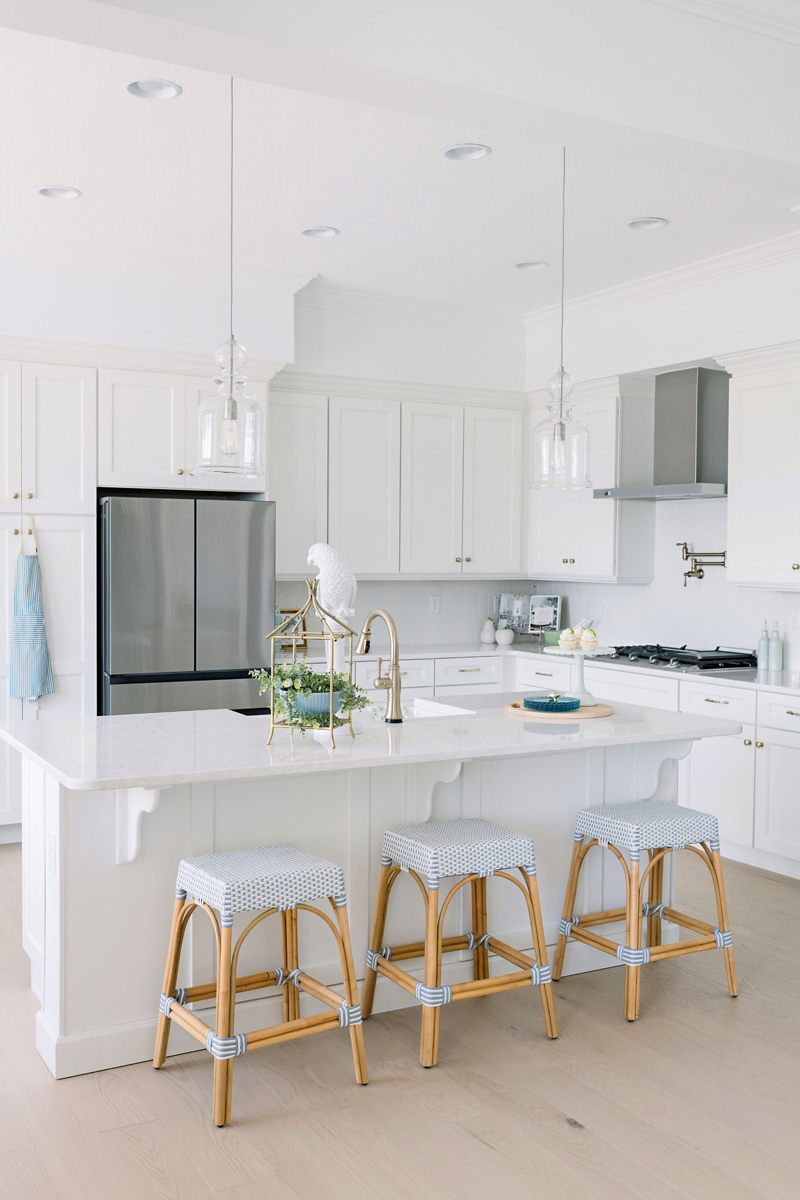
Lighting Design for Open Floor Plans That Feel Warm
Lighting is one of the fastest ways to make an open layout feel designed, because it adds depth and creates focal points. If you only rely on recessed lighting, the space can feel flat and a little sterile. Layered lighting adds warmth, makes the zones feel intentional, and gives you flexibility for different times of day and different moods.
Layer your lighting, not just your furniture
Think of lighting in three categories: overhead, task, and ambient. Overhead gives general brightness, task supports what you do, and ambient creates that cozy finished feeling. In an open layout, floor lamps, table lamps, and even picture lights can add a lot of depth without adding clutter. This is also where dimmers are a game changer, because the same space needs to feel different at 2 PM and 9 PM.
Use fixtures to anchor each zone
A pendant or chandelier over the dining table is not just pretty, it visually marks the dining area as its own destination. In the living area, a statement fixture can be helpful depending on ceiling height and layout, but even if you keep the ceiling simple, you can still anchor the space with lamps and intentional placement. If you want help tying the whole plan together, our interior design services are built for exactly this kind of puzzle.
How to Create a Cohesive Look Across an Open Concept Layout
A cohesive open plan does not mean everything matches. It means the spaces relate to each other. You want consistent undertones, repeated materials, and a clear style direction so the eye moves smoothly through the home. When that happens, the space feels elevated and finished, even if the style is relaxed.
Repeat a few key finishes to connect the zones
Pick a small set of finishes you will repeat across the space, like a wood tone, a metal finish, and one or two textiles. That repetition is what makes the whole layout feel intentional. You can still vary shapes, colors, and patterns, but the repeated finishes act like a thread that ties everything together.
Use contrast on purpose, not by accident
Contrast is great when it is planned. It is not great when it happens randomly because you bought pieces at different times with different ideas in mind. If you love contrast, decide where it belongs. Maybe the dining area has a darker table while the living area stays lighter, but the lighting finish connects both zones. That kind of decision making is what makes the space look curated instead of collected.
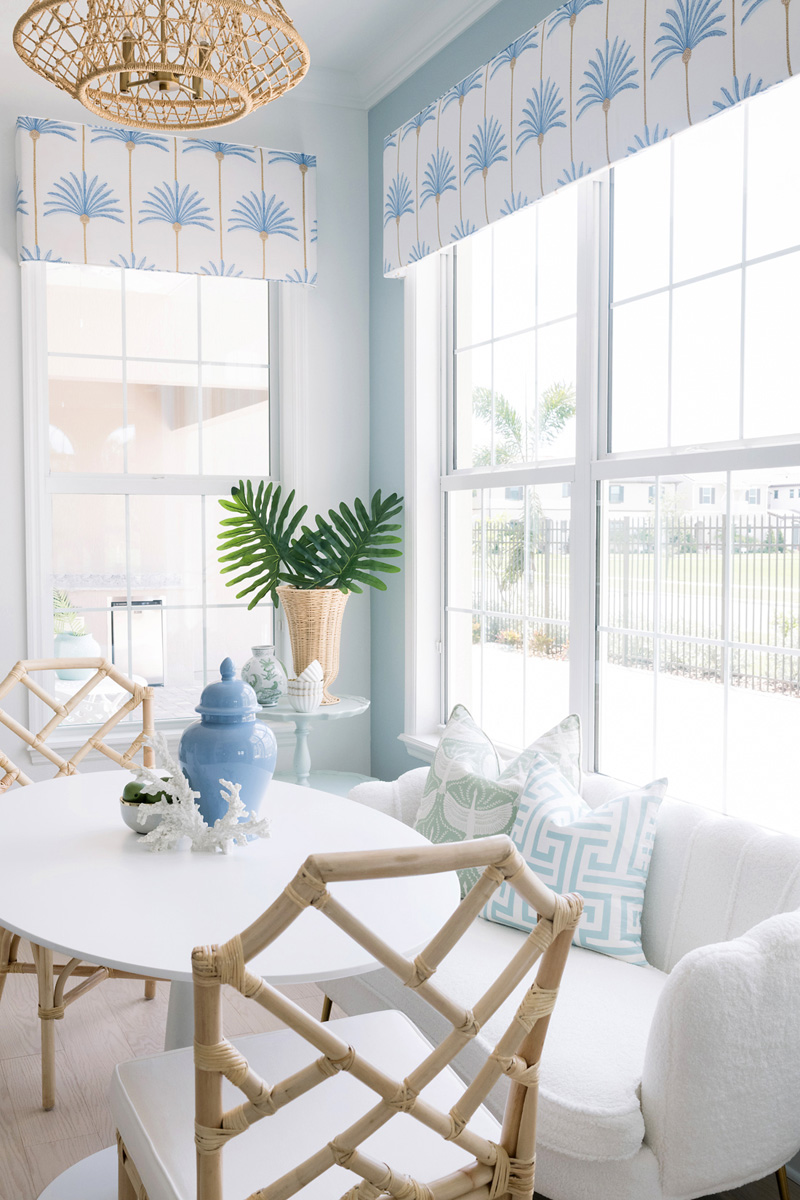
Styling an Open Floor Plan So It Feels Complete
This is the part where the room goes from functional to finished. Styling is not about filling shelves with random objects. It is about scale, layers, and the right finishing touches that make the space feel lived in and elevated. It is also where open layouts really shine, because the styling can guide the eye and add personality without adding chaos.
Use larger decor pieces that can hold their own
In a big open space, tiny decor can disappear. A substantial bowl on the coffee table, a larger piece of art, or oversized greenery can give the room visual weight in the right places. The goal is not to clutter the space. It is to give your eyes enough moments to land so the room feels finished and comfortable.
Installation and styling are what make it look effortless
Most people can choose pretty pieces. The difference is making everything work together in real life, with correct placement, correct height, and correct spacing. That is why clients love the full experience. If you want the space to feel truly complete without the stress, our full service interior design approach covers the details that are easy to overlook but impossible to ignore once you live in the space.

When to Hire a Designer for an Open Floor Plan
If you have been rearranging furniture for months and it still feels off, it is probably time. Open plans are tricky because every decision affects the whole space. A layout change in the living room impacts the dining area, the sightlines to the kitchen, and even how the entry feels. Getting professional guidance can save you money and time because you stop buying pieces that almost work and start making choices that actually solve the problem.
Hands on help when you need quick clarity
If you feel close but not quite there, hourly interior design consulting is a smart option. You can get layout guidance, furniture direction, and practical next steps without turning it into a huge project. This is perfect when you need a clear plan and someone to confirm what will actually work in your space.
Flexible options if you are not local or want to move fast
Not every project needs the same level of involvement. Some clients want a full transformation, and others want a solid plan they can implement over time. If you want a polished direction with flexibility, virtual interior design can be a great fit. And if you want inspiration for what is possible, explore our project showcase to see how open layouts can feel defined, warm, and finished.
Ready to make it feel finished
If your open floor plan still feels empty, we can help you turn it into a home that feels cohesive, comfortable, and complete.